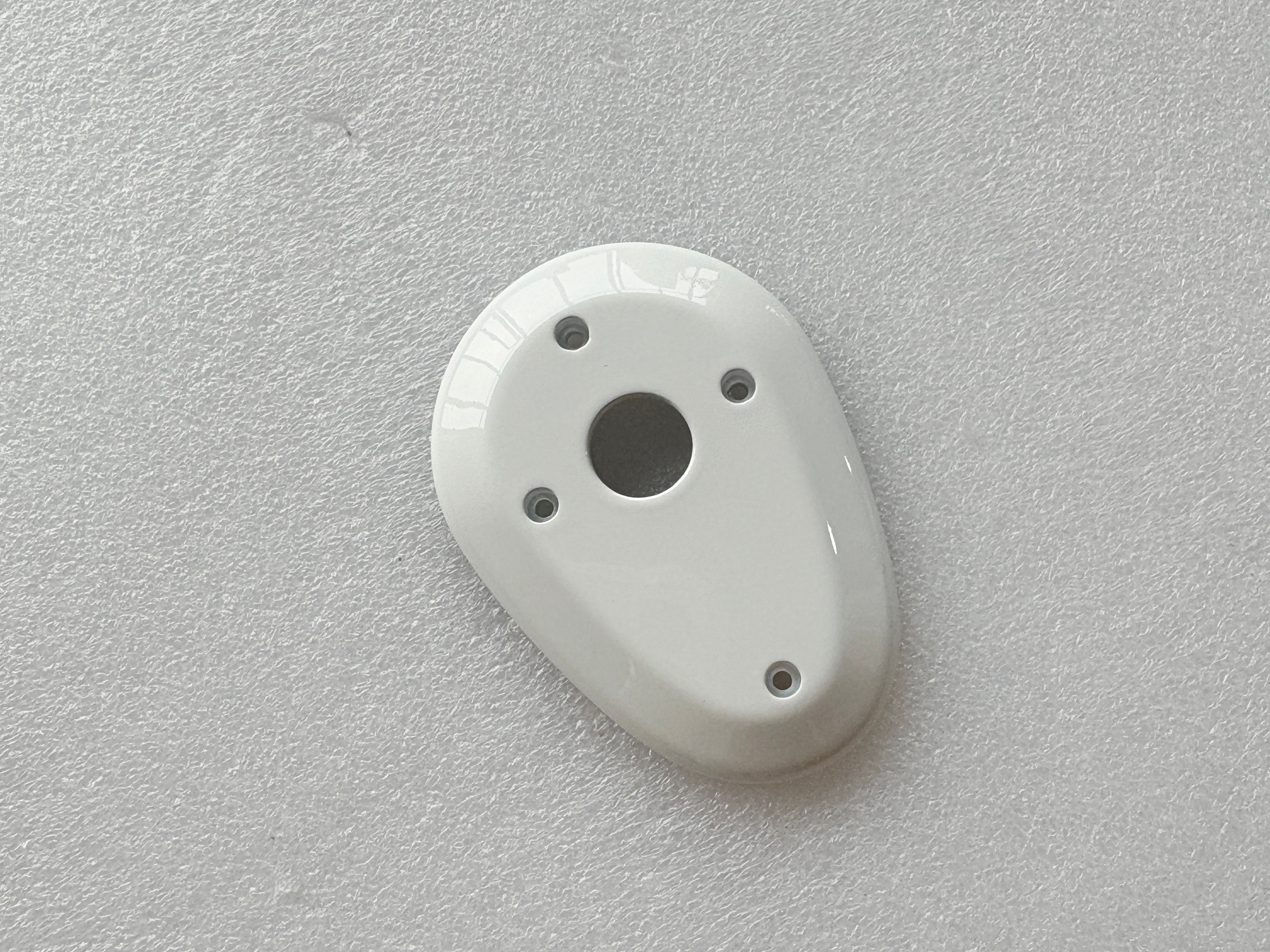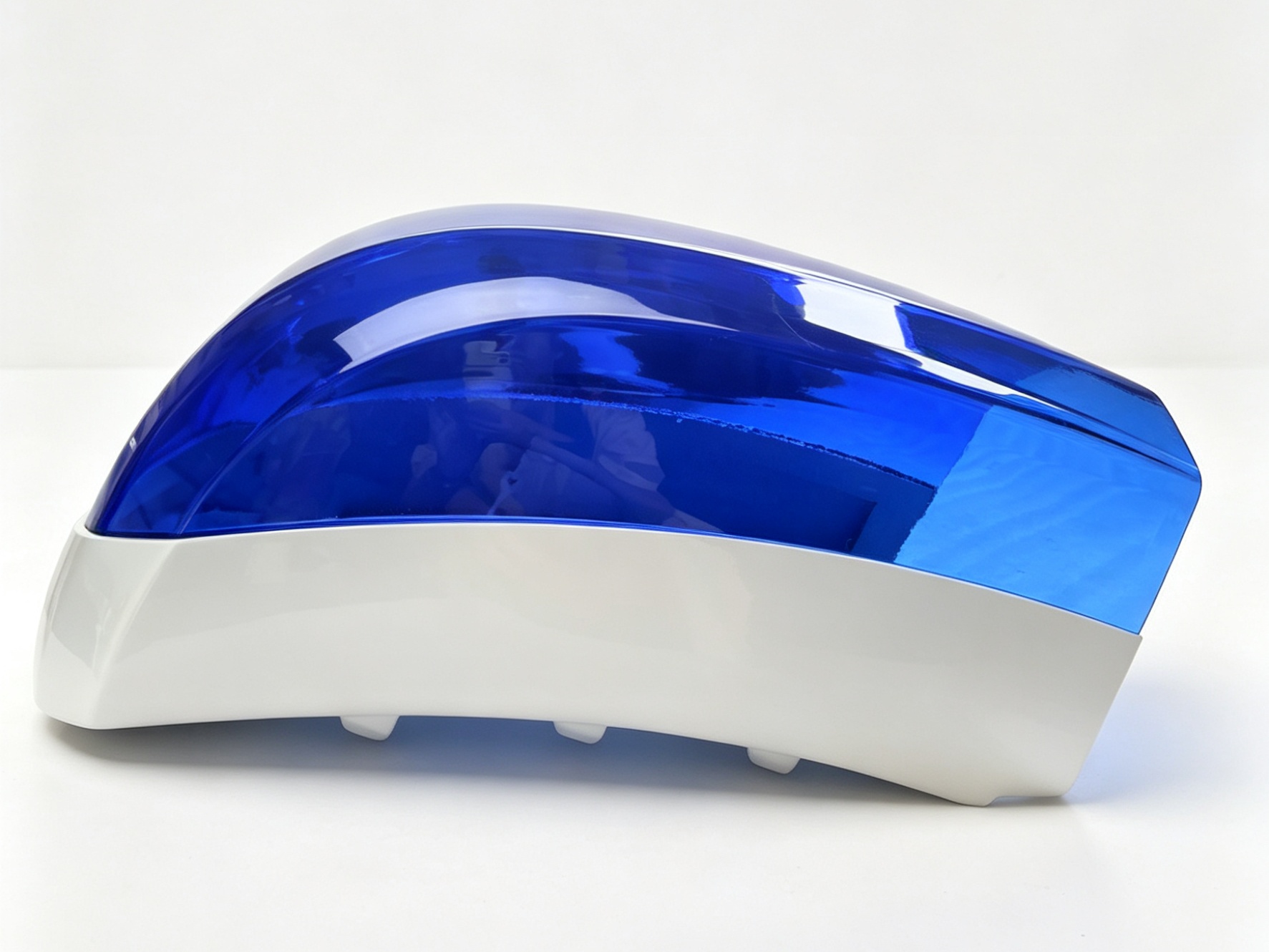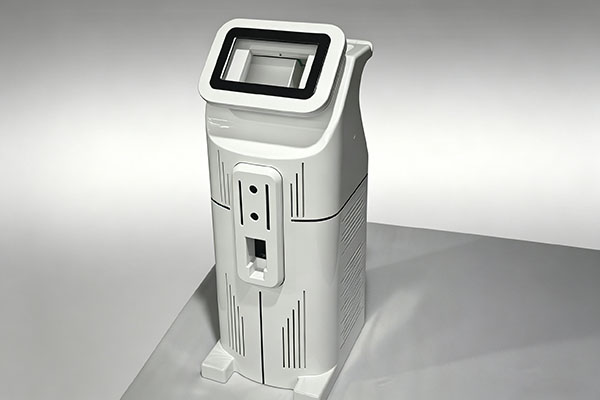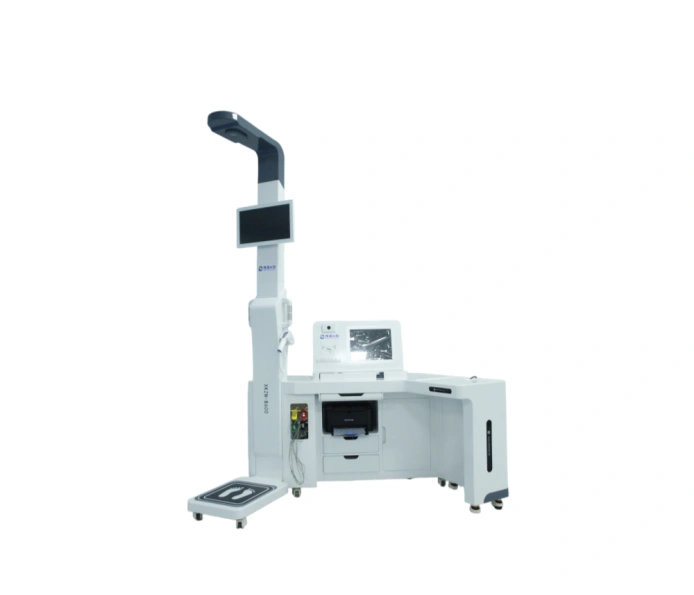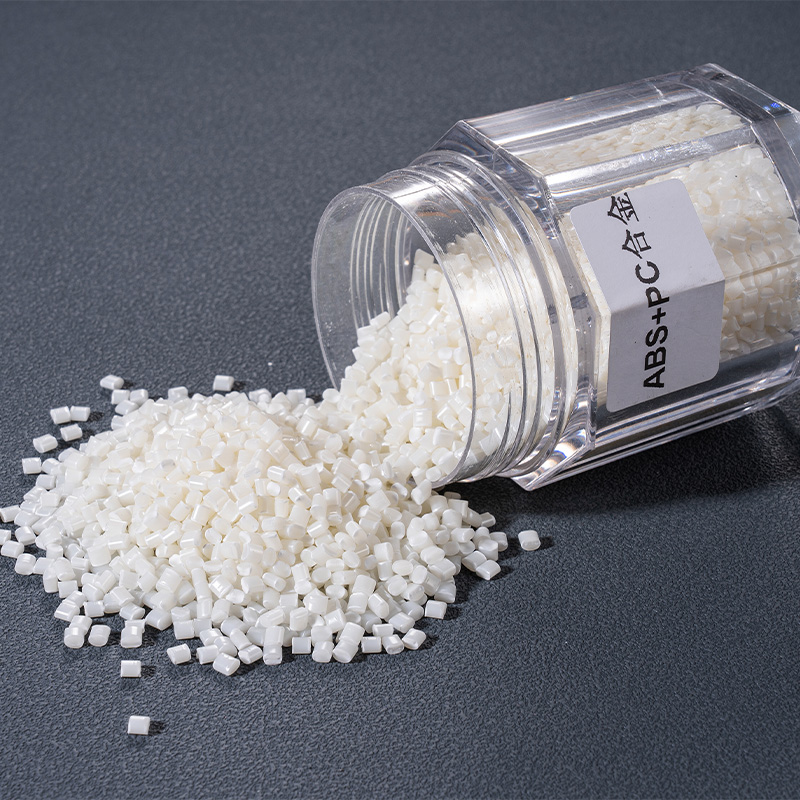
At Zhongrongda, we have over 15 years of experience manufacturing custom plastic parts using a wide range of engineering materials. Among all the materials we work with, ABS plastic properties and applications stand out as the most versatile and widely requested across multiple industries. In this comprehensive guide, we share our practical engineering knowledge about ABS plastic, including its key physical, chemical and mechanical properties, common manufacturing processes, and real-world applications across beauty, medical, automotive and electronics sectors. We also explain why ABS is the preferred choice for millions of products worldwide and how we optimize its performance for specific customer requirements.
What is ABS Plastic?
ABS (Acrylonitrile Butadiene Styrene) is a thermoplastic polymer made by polymerizing three monomers: acrylonitrile, butadiene and styrene. The unique combination of these three components gives ABS its exceptional balance of properties that no single polymer can achieve. By adjusting the ratio of these three monomers, manufacturers can tailor ABS to meet specific performance requirements, making it one of the most flexible engineering plastics available today.
ABS was first developed in the 1940s and has since become one of the most widely used plastics in the world. Its popularity stems from its excellent combination of strength, toughness, impact resistance, chemical resistance and ease of processing. Unlike many other engineering plastics, ABS is also relatively affordable, making it an attractive choice for both low-volume prototypes and high-volume production runs.
Key Physical and Chemical Properties of ABS Plastic
Understanding the fundamental properties of ABS plastic is essential for making informed material selection decisions for your product. At Zhongrongda, we conduct extensive material testing to ensure we select the optimal ABS grade for each application. Below are the most important physical and chemical properties of standard ABS plastic:
Physical Properties
- Density: 1.02-1.05 g/cm³ (lighter than most engineering plastics)
- Vika softening temperature/thermal deformation temperature: approximately 105°C
- Continuous Use Temperature: -20°C to 80°C
- Water Absorption: 0.3-0.4% (24 hours at 23°C)
- Surface Finish: Excellent, can achieve high-gloss, matte or textured finishes
- Colorability: Excellent, can be easily colored to match any Pantone color
Chemical Properties
- Resistance to: Water, dilute acids, alkalis, alcohols, detergents and most household chemicals
- Not Resistant to: Strong acids, ketones, esters, chlorinated hydrocarbons and aromatic hydrocarbons
- UV Resistance: Poor in natural state, but can be improved with UV stabilizers for outdoor applications
- Flammability: Class HB (burns slowly), but flame-retardant grades are available that meet UL 94 V-0 standards
For more detailed information about material testing and selection, check out this comprehensive engineering plastics properties guide from a leading materials science organization.
Mechanical Properties of ABS Plastic
The mechanical properties of ABS plastic are what make it such a valuable material for structural applications. Unlike brittle plastics like polystyrene, ABS combines high strength with excellent impact resistance, even at low temperatures. Below are the typical mechanical properties of standard injection molding grade ABS:
表格
| Property | Value |
|---|---|
| Tensile Strength | 40-50 MPa |
| Flexural Strength | 70-80 MPa |
| Flexural Modulus | 2.0-2.5 GPa |
| Izod Impact Strength (Notched) | 10-20 kJ/m² at 23°C |
| Hardness (Rockwell) | R 100-110 |
| Elongation at Break | 20-40% |
One of the most remarkable properties of ABS is its ability to maintain its impact resistance at low temperatures. While many plastics become brittle at temperatures below 0°C, ABS remains tough down to -20°C, making it suitable for products used in cold environments. This property is particularly important for automotive parts, outdoor equipment and medical devices that may be exposed to temperature variations.
At Zhongrongda, we have access to over 50 different grades of ABS plastic, including:
- High-impact grades for applications requiring maximum toughness
- High-rigidity grades for structural components
- Heat-resistant grades for applications operating at higher temperatures
- Flame-retardant grades for electrical and electronic applications
- Food-grade and medical-grade ABS for products requiring FDA compliance
Processing Properties of ABS Plastic
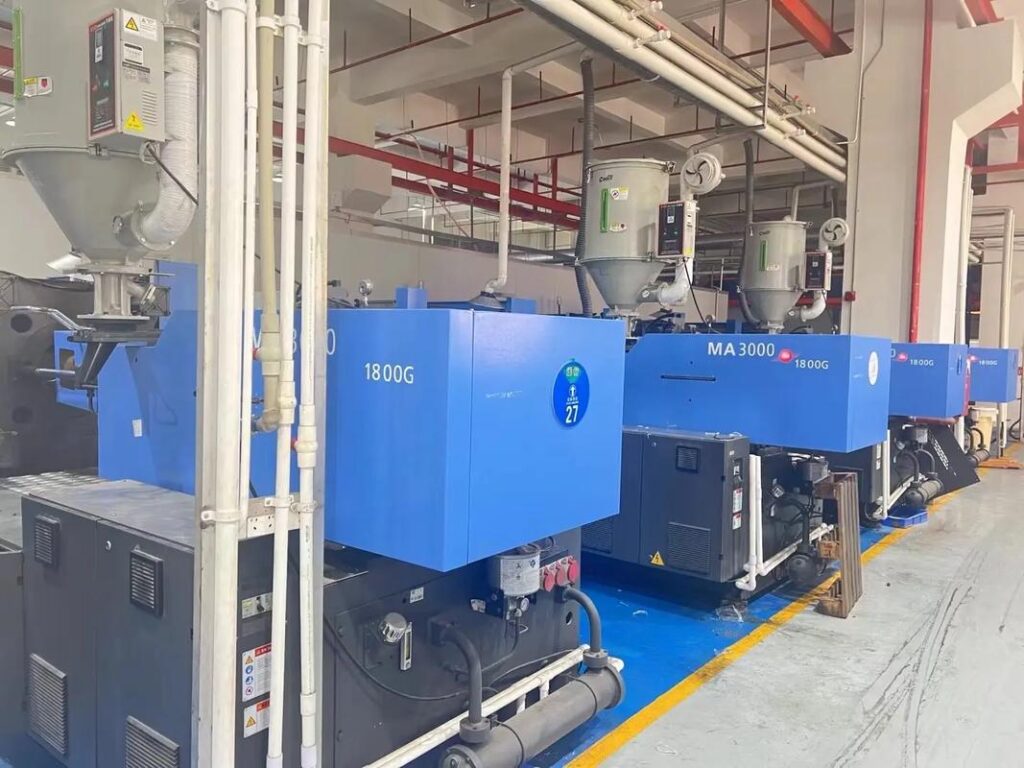
ABS is exceptionally well-suited for custom plastic injection molding, which is the most common manufacturing process for ABS parts. Its excellent flow characteristics allow it to fill complex mold geometries easily, and it can be processed over a wide range of temperatures and pressures. Below are the key processing properties of ABS plastic:
- Injection Molding Temperature: 220-260°C
- Mold Temperature: 40-80°C
- Injection Pressure: 70-140 MPa
- Melt Flow Index (MFI): 1-50 g/10min (varies by grade)
- Shrinkage Rate: 0.4-0.7% (consistent and predictable)
ABS is also compatible with other manufacturing processes, including:
- Two-shot injection molding for multi-material parts
- Insert molding for overmolding onto metal inserts
- Extrusion for pipes, profiles and sheets
- Thermoforming for packaging and enclosures
- 3D printing (FDM) for rapid prototyping
At Zhongrongda, we have optimized our injection molding services specifically for ABS plastic. Our experienced engineers have developed proprietary process parameters that ensure consistent part quality, minimal warpage and excellent surface finish. We also use advanced simulation software to predict and eliminate potential molding issues before production begins.
Major Industries and Applications of ABS Plastic
The unique combination of properties makes ABS plastic suitable for an incredibly wide range of applications across almost every industry. At Zhongrongda, we have manufactured ABS parts for customers in over 20 different industries. Below are the most common applications of ABS plastic, along with the specific properties that make it the ideal choice for each:
Beauty and Personal Care Industry
The beauty industry is one of the largest consumers of ABS plastic, primarily due to its excellent surface finish and aesthetic capabilities. ABS can achieve a flawless high-gloss finish that is perfect for beauty device enclosures and components. Common applications include:
- Facial cleansing devices
- Hair styling tools
- Electric toothbrushes
- Makeup packaging
- Skincare device enclosures
As we discussed in our previous article, we recently manufactured 50mm × 70mm × 6mm high-gloss ABS parts for a leading beauty technology brand using ABS injection molding with film lamination. Our proprietary process solved four critical manufacturing challenges and delivered parts with a 99.5% yield rate.
Medical and Healthcare Industry
Medical-grade ABS is widely used in the healthcare industry due to its excellent biocompatibility, sterilizability and impact resistance. It can be sterilized using ethylene oxide (EtO) and gamma radiation, making it suitable for a wide range of medical devices. Common applications include:
- Surgical instruments
- Diagnostic equipment enclosures
- Drug delivery devices
- Laboratory equipment
- Hospital furniture components
At Zhongrongda, we manufacture medical-grade ABS parts in our ISO 13485 certified cleanroom facilities. Our medical parts meet all relevant FDA and CE requirements and undergo rigorous quality testing to ensure patient safety.
Automotive Industry
ABS plastic has been used in the automotive industry for decades due to its excellent impact resistance, dimensional stability and ability to be painted and plated. It is used extensively in both interior and exterior automotive components. Common applications include:
- Dashboard components
- Door panels
- Bumper covers
- Wheel covers
- Mirror housings
- Interior trim
The automotive industry demands extremely high quality and consistency, which is why many leading automotive manufacturers trust Zhongrongda for their ABS plastic parts. Our advanced quality control systems ensure that every part meets the strictest automotive industry standards.
Electronics and Consumer Goods Industry
ABS plastic is the material of choice for most consumer electronics enclosures due to its excellent electrical insulation properties, impact resistance and ease of processing. It also provides good protection against electromagnetic interference (EMI) when properly coated. Common applications include:
- Computer keyboards and mice
- Laptop and tablet enclosures
- Mobile phone accessories
- Television and monitor bezels
- Home appliance components
- Toys and games
At Zhongrongda, we have extensive experience manufacturing complex electronic enclosures using insert molding and two-shot injection molding processes. Our parts are designed to provide excellent protection for sensitive electronic components while maintaining a sleek, modern appearance.
Advantages and Limitations of ABS Plastic
While ABS plastic offers many advantages, it also has some limitations that must be considered when selecting a material for your product. Understanding both the advantages and limitations will help you make an informed decision about whether ABS is the right choice for your application.
Advantages of ABS Plastic
- Excellent balance of strength and toughness: Combines high tensile strength with excellent impact resistance
- Easy to process: Excellent flow characteristics make it ideal for complex geometries
- Excellent surface finish: Can achieve high-gloss, matte or textured finishes
- Excellent colorability: Can be easily colored to match any Pantone color
- Good chemical resistance: Resists most common household chemicals
- Relatively affordable: More cost-effective than many other engineering plastics
- Recyclable: Can be recycled and reused multiple times
- Compatible with multiple manufacturing processes: Injection molding, extrusion, thermoforming, 3D printing
Limitations of ABS Plastic
- Poor UV resistance: Degrades when exposed to direct sunlight unless stabilized
- Limited temperature resistance: Continuous use temperature limited to 80°C
- Poor chemical resistance to strong solvents: Attacked by ketones, esters and chlorinated hydrocarbons
- Flammable: Burns unless treated with flame retardants
- Not suitable for high-temperature applications: Softens at temperatures above 105°C
At Zhongrongda, we can help you overcome many of these limitations through material modification and specialized processing techniques. For example, we can add UV stabilizers to improve outdoor performance, use flame-retardant grades for electrical applications, and apply protective coatings to enhance chemical resistance.
Why Choose Zhongrongda for Your ABS Plastic Parts Manufacturing
At Zhongrongda, we have been manufacturing high-quality ABS plastic parts for over 15 years. Our state-of-the-art facilities feature 50+ injection molding machines ranging from 50 to 500 tons, and we have the capability to produce parts from 1g to 5kg in weight. Our quality management system is ISO 9001:2015 certified, and we are committed to delivering parts that meet or exceed our customers’ most stringent requirements.
What sets us apart from other manufacturers is our engineering expertise and our focus on solving complex manufacturing challenges. Our team of experienced engineers works closely with customers from the earliest design stages to optimize their designs for manufacturability, reduce costs and improve product performance. We use advanced simulation software to predict and eliminate potential molding issues before production begins, ensuring that we deliver high-quality parts on time, every time.
Whether you need a single prototype or high-volume production, we have the expertise and resources to bring your product to life. We work with all grades of ABS plastic and can help you select the optimal material for your specific application. We also offer a wide range of secondary operations, including painting, plating, silk screening and assembly, to provide you with a complete turnkey solution.
Frequently Asked Questions (FAQ)
- Q: What are the key properties that make ABS plastic so versatile? A: ABS plastic’s versatility comes from its unique combination of high strength, excellent impact resistance (even at low temperatures), good chemical resistance, excellent surface finish and ease of processing. These properties make it suitable for a wide range of applications across multiple industries.
- Q: Is ABS plastic suitable for food contact applications? A: Yes, food-grade ABS plastic is FDA approved for food contact applications. It is widely used in food processing equipment, kitchen utensils and food packaging. At Zhongrongda, we can provide food-grade ABS parts that meet all relevant FDA and EU food safety standards.
- Q: Can ABS plastic be recycled? A: Yes, ABS plastic is fully recyclable. It can be melted down and reprocessed multiple times without significant loss of properties. At Zhongrongda, we are committed to sustainable manufacturing practices and recycle all of our ABS scrap material.
- Q: What is the difference between ABS and PVC plastic? A: ABS is stronger, tougher and more impact-resistant than PVC. It also has better heat resistance and can achieve a higher quality surface finish. PVC is more rigid and has better chemical resistance to acids and bases, but it is more brittle and less impact-resistant than ABS.
- Q: How does temperature affect the properties of ABS plastic? A: ABS plastic maintains its properties well over a wide temperature range. It remains tough down to -20°C and can be used continuously up to 80°C. At temperatures above 105°C, ABS begins to soften and lose its structural integrity.
- Q: Can ABS plastic be painted or plated? A: Yes, ABS plastic is excellent for painting and plating. Its surface provides good adhesion for paints and coatings, and it can be electroplated to achieve a metallic finish. At Zhongrongda, we offer a full range of painting and plating services for ABS parts.
- Q: What is the typical shrinkage rate of ABS plastic during injection molding? A: The typical shrinkage rate of ABS plastic is 0.4-0.7%. This shrinkage rate is consistent and predictable, which makes it easy to design molds that produce parts with accurate dimensions. Our engineers carefully calculate shrinkage rates for each part to ensure dimensional accuracy.
- Q: Is ABS plastic resistant to water and moisture? A: Yes, ABS plastic has excellent water resistance. It absorbs very little moisture (0.3-0.4% over 24 hours) and does not degrade when exposed to water or humidity. This makes it suitable for products used in wet environments, such as bathroom fixtures and outdoor equipment.
- Q: What are the most common grades of ABS plastic? A: The most common grades of ABS plastic are standard injection molding grade, high-impact grade, high-rigidity grade, heat-resistant grade, flame-retardant grade, food-grade and medical-grade. Each grade is formulated to meet specific performance requirements.
- Q: How long does ABS plastic last? A: ABS plastic has a long service life and can last for many years under normal indoor conditions. For outdoor applications, UV-stabilized ABS can last 5-10 years or more, depending on the level of sun exposure. Proper maintenance and protection from harsh chemicals will extend the life of ABS parts even further.
Get Started Today
If you are looking for a reliable manufacturer for your custom ABS plastic parts, we can help. Our team of expert engineers will review your design and provide a detailed feasibility analysis and competitive quote within 24 hours. We have the expertise and resources to handle projects of any size, from single prototypes to high-volume production runs.
Contact us today to discuss your project:
- Email: info@zrdmfg.com
- Phone: +86 13972955806
Let Zhongrongda be your trusted manufacturing partner for high-quality custom ABS plastic parts.