At Zhongrongda, we specialize in manufacturing high-precision custom diagnostic equipment enclosure solutions for medical and healthcare device developers worldwide. In many early-stage and low-volume medical projects, companies face challenges in building functional and visually refined enclosures without the high cost and long lead time of injection molds. Our CNC machining and plastic fabrication capabilities allow us to bridge this gap efficiently, especially for complex diagnostic systems requiring large structures, fast iteration, and engineering flexibility.
1. Project Background – Diagnostic Equipment Enclosure Case
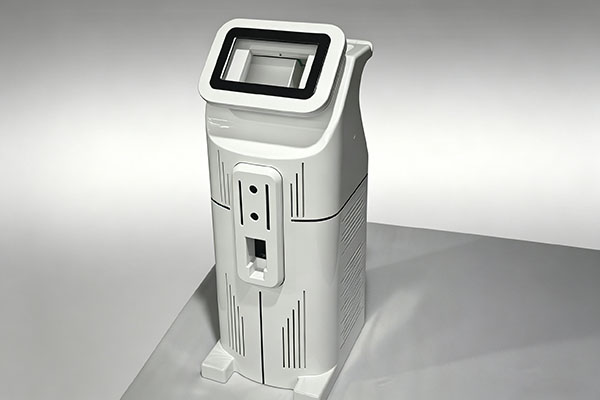
In this case, Zhongrongda worked with a medical device client developing a next-generation diagnostic system housing. The project required a fully customized enclosure for early-stage validation and functional testing before mass production.
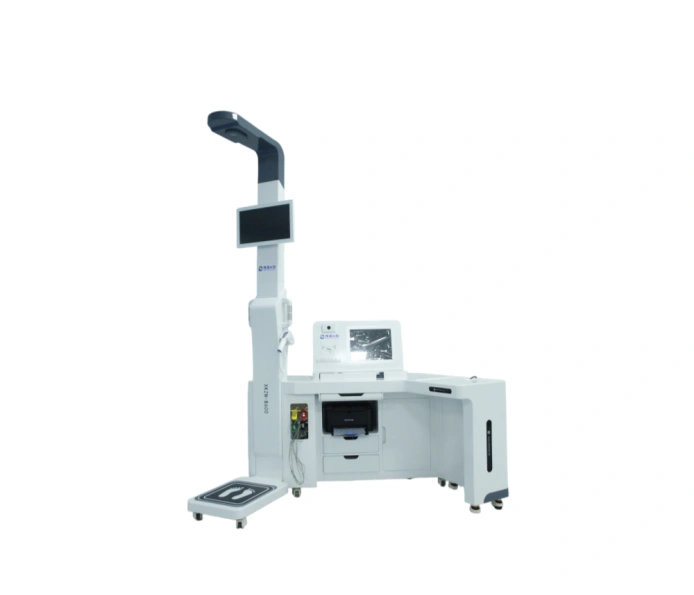
The product structure was a vertical diagnostic equipment housing, designed for laboratory and clinical environments.
Product Dimensions:
- Height: 900 mm
- Width: 400 mm
- Depth: 350 mm
This qualifies as a large medical enclosure prototype, requiring high structural stability and precise surface finishing.
2. Client Pain Points
During the initial inquiry, the client faced several critical manufacturing challenges:
1. Large enclosure size
Traditional machining and prototyping vendors could not support the full-scale structure due to equipment limitations.
2. High tooling cost
Injection molding was not viable for early-stage development due to expensive mold investment.
3. Design changes
Frequent iterations were required during testing, making rigid tooling impractical.
4. Surface quality requirements
The enclosure needed a clean, medical-grade appearance suitable for clinical environments.
5. Prototype lead time
The client needed fast delivery for validation testing and investor demonstration.
3. Zhongrongda Manufacturing Solution
To address these challenges, Zhongrongda proposed a CNC-based and plastic fabrication hybrid solution designed specifically for medical device enclosure prototyping.
Materials Used
We selected engineering-grade materials suitable for medical diagnostic applications:
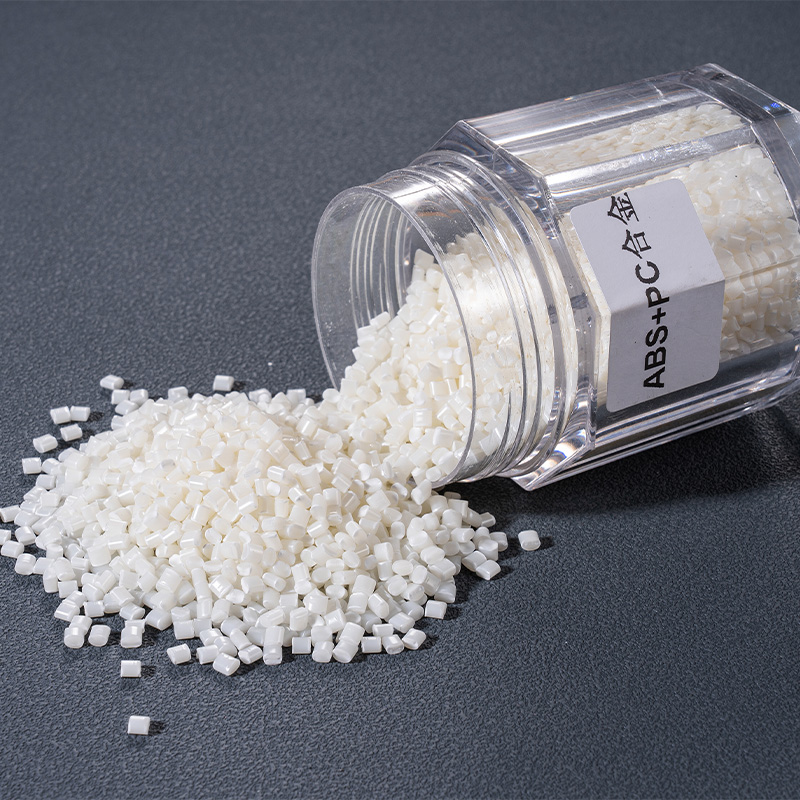
- ABS (primary structural housing)
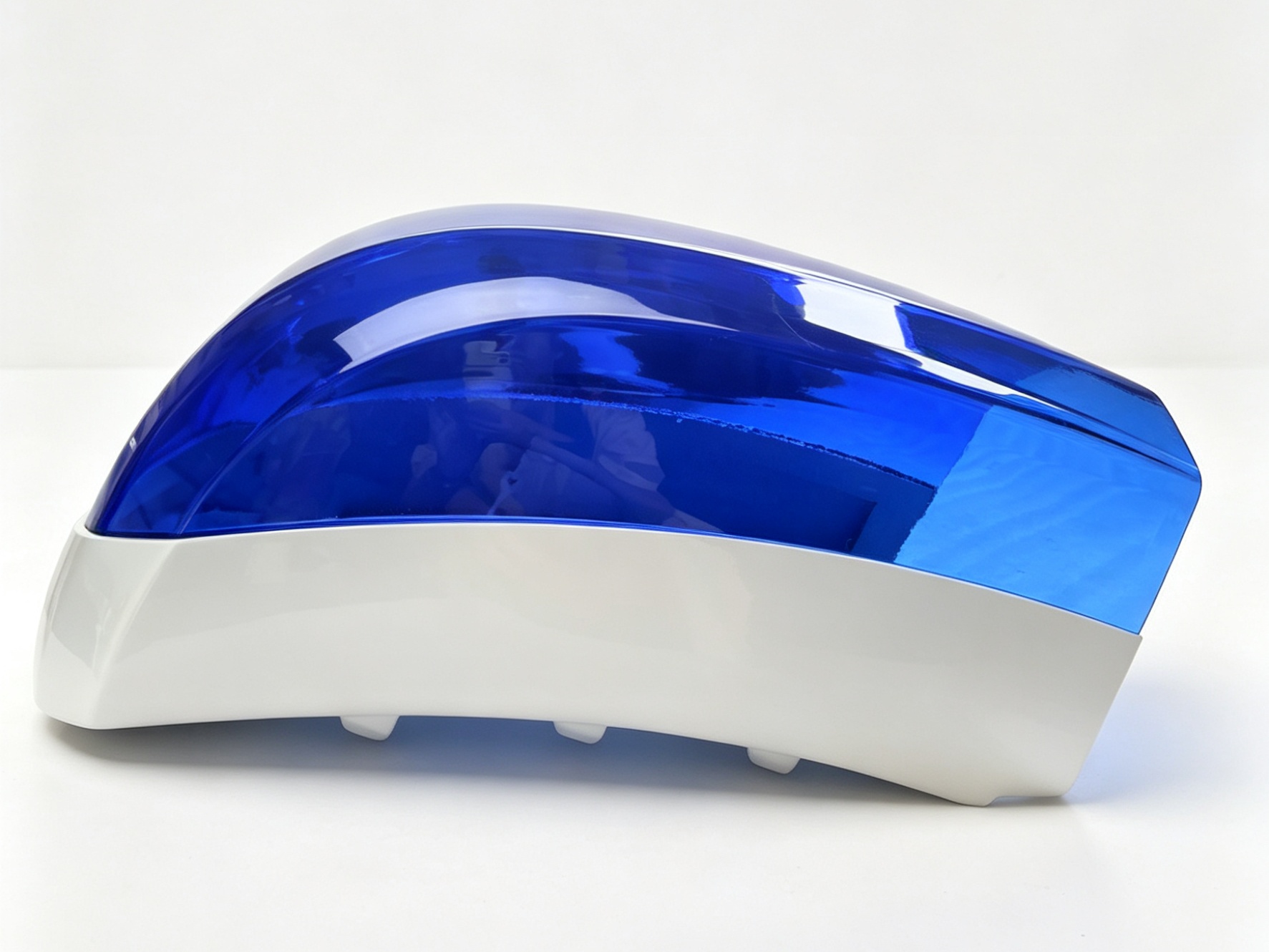
- PC (transparent window components)
- PMMA (display interface cover elements)
These materials provide a balance of:
- Structural strength
- Impact resistance
- Surface finishing compatibility
Manufacturing Process
The enclosure was produced using a combination of:
- CNC machining for structural panels
- Precision cutting for interface openings
- Hand assembly for multi-part housing alignment
- Surface finishing preparation before coating
This hybrid approach allowed us to maintain accuracy while supporting design flexibility.
Related capabilities:
CNC Machining Services
4. Manufacturing Challenges and Engineering Solutions
Challenge 1: Large structural deformation control
Due to the height of the enclosure, maintaining dimensional stability was critical.
Solution:
We optimized internal rib structures and machining sequence to reduce stress concentration during processing.
Challenge 2: Multi-surface alignment accuracy
The enclosure included multiple functional openings and display interfaces.
Solution:
We used CNC precision indexing to ensure all cutouts aligned within tight tolerance ranges.
Challenge 3: Surface quality consistency
Medical equipment requires a clean and professional appearance.
Solution:
We applied controlled finishing processes including sanding, surface smoothing, and pre-coating treatment preparation.
Related service:
Surface Finishing Services
Challenge 4: Assembly complexity
The structure consisted of multiple modular panels.
Solution:
We designed modular assembly joints to simplify alignment and ensure repeatability during prototype evaluation.
5. Final Result and Client Feedback
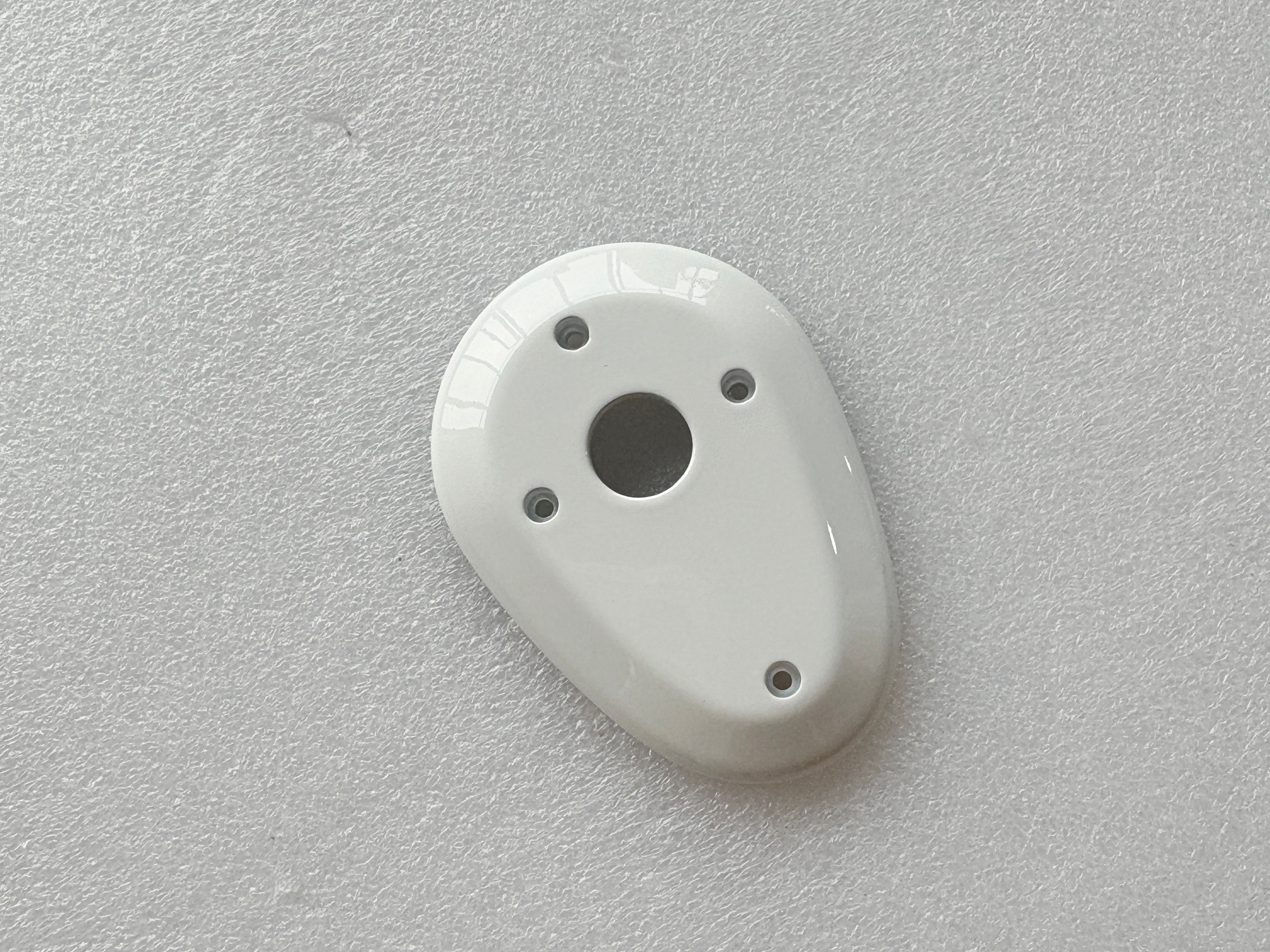
After production, the final diagnostic device housing prototype successfully met all functional and visual requirements.
Key results included:
- Stable full-scale enclosure structure
- High surface consistency suitable for medical use
- Fast iteration capability for design updates
- Reduced cost compared to injection molding
- Accelerated product validation timeline
The client confirmed that the prototype significantly improved their testing efficiency and presentation quality for investors and internal validation teams.
6. Why CNC Machining is Ideal for Medical Enclosure Prototyping
For early-stage medical development, CNC machining provides several advantages over traditional tooling methods:
- No mold required
- Faster iteration cycles
- Lower initial cost
- Suitable for prototype medical enclosure development
- Ideal for design validation stages
This makes it particularly effective for companies developing custom medical equipment housing solutions before mass production.
7. Applications of Diagnostic Equipment Enclosures
Our manufacturing solutions are widely used in:
- Laboratory diagnostic machines
- Medical imaging systems
- Patient monitoring devices
- Analytical instruments
- Healthcare testing equipment
These applications often require large medical enclosure structures with high precision and clean surface finishing.
8. Recommended Materials for Medical Device Enclosure
For plastic medical enclosure projects, we typically recommend:
- ABS – strong and cost-effective
- PC – high transparency and impact resistance
- PMMA – optical clarity applications
- PA (Nylon) – mechanical strength components
Each material is selected based on functional requirements and product environment.
9. Surface Finishing Options
To achieve medical-grade appearance, we provide:
- Polishing
- Painting
- Texture finishing
- Bead blasting
- Protective coating
These finishing processes enhance both durability and visual quality of the enclosure.
If you are developing a medical device and need a reliable partner for enclosure prototyping, Zhongrongda can support your project from design validation to low-volume production.
📩 Email: info@zrdmfg.com
📞 Phone: +86 13972955806
👉 Upload your drawing and get a fast quotation within 24 hours.