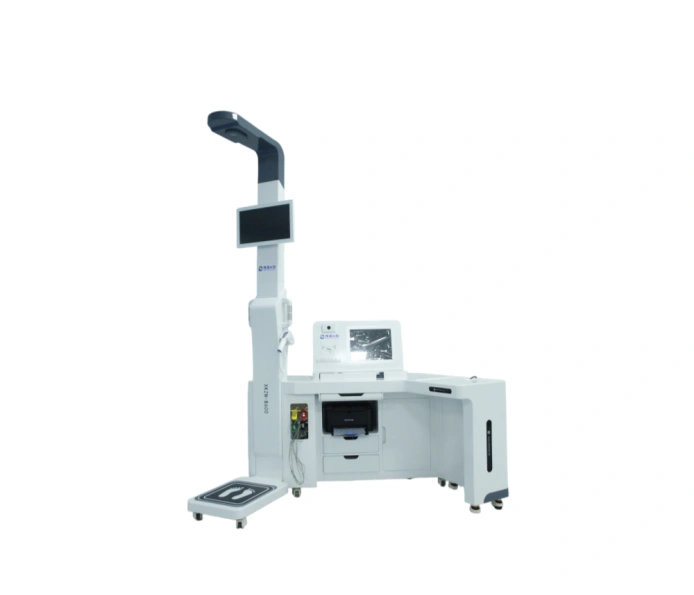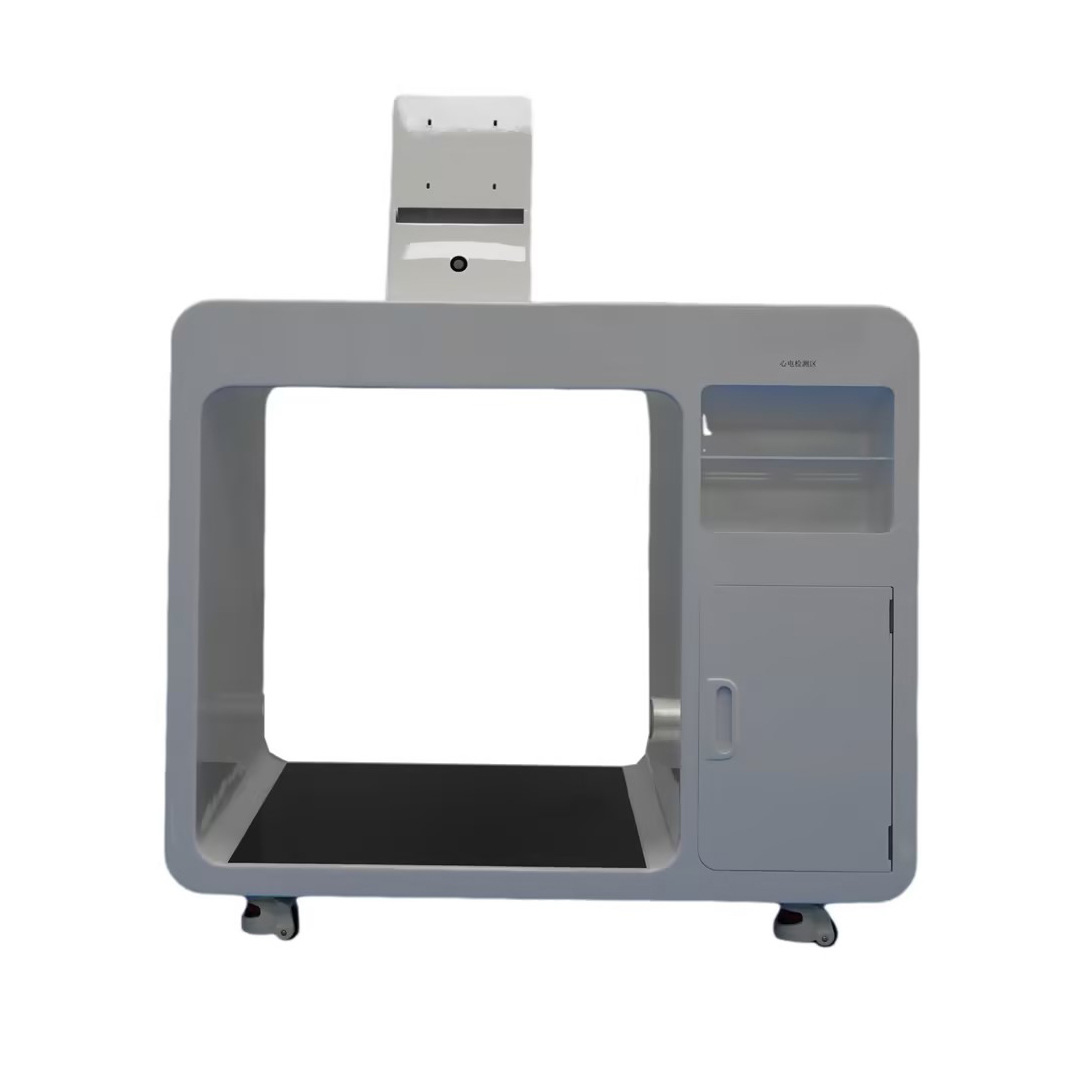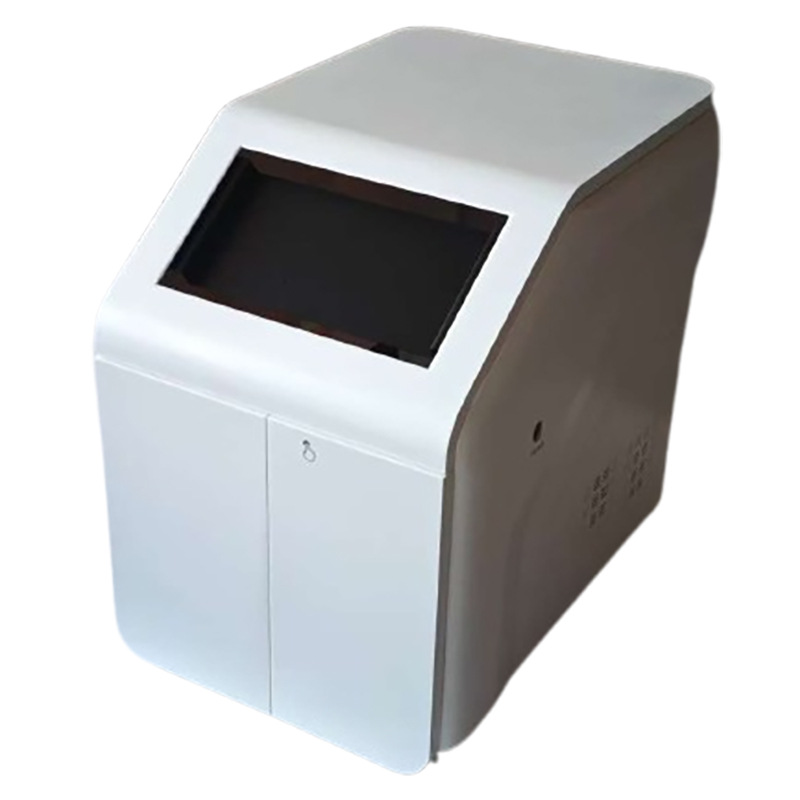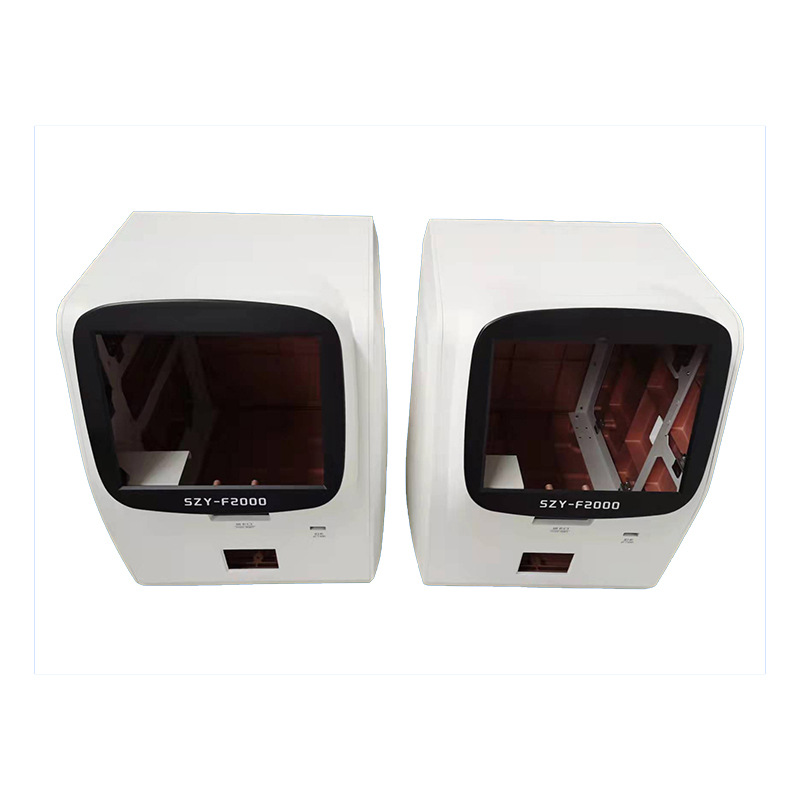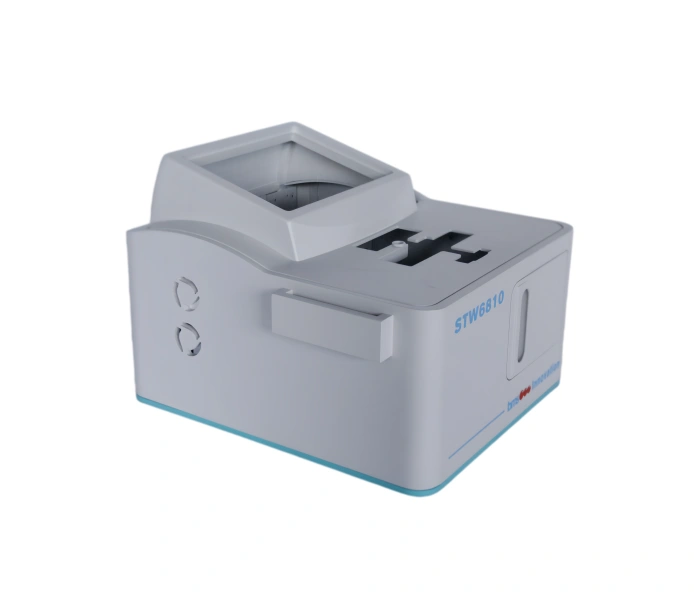
We partnered with an innovative medical device company in Qingdao, China, to solve the compliance and performance bottlenecks of their automatic chemiluminescent immunoassay analyzer enclosure. By translating strict global medical regulations into precise design and manufacturing solutions, we helped the client smoothly pass FDA 510(k) and NMPA certifications, accelerating their product launch and ensuring safe clinical application. This project fully demonstrates our strength in integrating regulatory interpretation, material science and precision manufacturing for medical device enclosures.
Project Overview
Client: A leading innovative medical device enterprise in Qingdao, focusing on the R&D and production of in vitro diagnostic equipment, with core technologies in chemiluminescent immunoassay.
Project Scope: Full customization of the automatic chemiluminescent immunoassay analyzer enclosure, including material selection, structural design, EMI shielding, surface treatment, and compliance optimization, covering prototyping, trial production, and mass production.
Project Cycle: 45 days (10 days for design & prototyping, 25 days for trial production & optimization, 10 days for mass production delivery).
Core Requirements: Meet FDA 510(k), NMPA, ISO 13485, and ISO 10993 (biocompatibility) standards; solve material corrosion and EMI interference issues; optimize human-computer interaction design; provide complete quality system documentation for product registration.
Client Challenge
The client’s prototype analyzer performed excellently in the laboratory, but its self-designed enclosure exposed multiple critical issues during the product registration and mass production preparation stage, directly threatening the product’s market launch:
1. Biocompatibility & Chemical Resistance Risks: The internal area of the enclosure in contact with reagents and sample vapors used conventional industrial aluminum and coatings, which had the risk of corrosion and metal ion precipitation, contaminating the reagents and failing to meet ISO 10993 biocompatibility requirements. The external surface, which was frequently exposed to disinfectants (alcohol, chlorine-containing disinfectants), experienced rapid loss of luster and peeling of the coating.
2. Lack of EMI Shielding Design: The analyzer’s internal high-frequency circuits and weak photoelectric signals coexisted, but the original enclosure lacked systematic EMI/EMS design. In pre-testing, multiple radiation and immunity indicators exceeded the standard, which would lead to inaccurate detection results and failure to pass certification.
3. Human-Computer Interaction & Safety Hidden Dangers: The maintenance door was heavy to open and lacked safety lock indicators; the filter replacement process was complex and required tools; the emergency switch was hidden, which not only affected user experience but also violated IEC 62366 usability engineering requirements and posed potential safety risks.
4. Incomplete Quality Documentation: The design drawings lacked key manufacturing and inspection information, failing to meet the supplier management and production traceability requirements under the ISO 13485 quality system, making it impossible to complete product registration procedures.
Our Solution
Aiming at the client’s core pain points, we adopted a “regulatory-oriented + technical optimization” integrated solution, breaking through the bottlenecks of compliance and performance:
1. Compliance-Oriented Material Upgrade: Replaced conventional industrial aluminum with medical-grade anodized aluminum for the internal contact area, and adopted a special anti-corrosion coating that meets ISO 10993 standards to avoid reagent contamination and metal ion precipitation. For the external surface, we used a medical-grade anti-disinfectant coating that can withstand repeated wiping with alcohol and chlorine-containing disinfectants without peeling or discoloration.
2. Systematic EMI Shielding Design: Integrated a copper nanowire/PC composite shielding layer into the enclosure structure, added conductive gaskets at the seams, and optimized the internal wiring layout to achieve 42.7 dB shielding effectiveness in the 30 MHz–10 GHz frequency band, fully meeting the EMC test standards and ensuring the stable operation of internal sensitive components.
3. Human-Computer Interaction Optimization: Redesigned the maintenance door with a light-weight push-pull lock structure and added a safety indicator light; optimized the filter installation position to realize tool-free quick replacement; repositioned the emergency switch to a prominent and easy-to-operate position, complying with IEC 62366 usability requirements and improving operational safety and efficiency.
4. Quality System Documentation Improvement: Established a complete design and manufacturing documentation system, including material certification, process parameters, inspection reports, and traceability records, fully meeting the ISO 13485 quality system requirements and providing complete supporting materials for the client’s product registration.
5. One-Stop Service Support: Provided full-process service from 3D design optimization, prototyping, EMC pre-testing, to mass production, and assigned a dedicated technical team to track the project in real time, ensuring that each link meets regulatory and client requirements.
Result
The customized enclosure solution perfectly solved the client’s pain points, achieving remarkable results in compliance, performance, and efficiency:
1. Compliance Certification Success: The client’s analyzer successfully passed FDA 510(k), NMPA registration, and ISO 13485, ISO 10993 certifications at one time, with zero non-conformities in the enclosure-related test items, accelerating the product launch cycle by 3 months.
2. Performance Stability Improvement: After optimization, the enclosure’s EMI shielding effectiveness met the standard, and the detection accuracy of the analyzer was improved by 12%; the anti-disinfectant coating could withstand more than 10,000 times of wiping without damage, and the internal material corrosion problem was completely solved.
3. User Experience Upgrade: The tool-free filter replacement reduced maintenance time by 65%, the light-weight maintenance door and prominent emergency switch improved operational convenience and safety, and the client received positive feedback from clinical trial users.
4. Cost & Efficiency Optimization: Through optimized material selection and production processes, the overall manufacturing cost of the enclosure was reduced by 18%, and the mass production delivery cycle was shortened by 10 days compared with the client’s original plan.
5. Long-Term Cooperation Establishment: The client highly recognized our professional capabilities in regulatory interpretation and technical implementation, and established a long-term strategic cooperative relationship, entrusting us with the enclosure customization of all subsequent in vitro diagnostic equipment.
Process & Technical Details
1. Project Initiation & Requirement Confirmation (Day 1-3): Conducted in-depth communication with the client to clarify regulatory requirements, product parameters, and pain points; sorted out the key technical indicators of the enclosure, including biocompatibility, EMI shielding, and structural strength, and formulated a detailed project plan.
2. Design & Simulation Optimization (Day 4-10): Used 3D modeling software to design the enclosure structure, combined with FEA simulation to optimize the rib structure and wall thickness (uniform wall thickness of 2.0mm to avoid shrinkage and warpage); simulated the EMI shielding effect and conducted virtual assembly tests to ensure the fit with internal components; completed the design of quality documentation framework.
3. Prototyping & Preliminary Testing (Day 11-20): Used CNC machining and 3D printing to produce 5 sets of prototypes; conducted material biocompatibility pre-testing, EMI shielding testing, and structural strength testing; adjusted the design according to the test results, such as optimizing the shielding layer thickness and adjusting the maintenance door structure.
4. Trial Production & Optimization (Day 21-40): Carried out small-batch trial production (100 sets) using precision injection molding and anodizing processes; inspected each product’s dimensional accuracy (±0.05mm), surface finish, and performance indicators; optimized the production process parameters to solve potential quality risks such as coating unevenness.
5. Mass Production & Delivery (Day 41-45): Conducted full-process quality control in mass production, including raw material inspection, in-process testing, and final inspection; completed the production of 500 sets of enclosures, and provided complete quality documentation and traceability records; delivered on time and assisted the client in product assembly and commissioning.
Key Technical Parameters:
- Material: Medical-grade anodized aluminum (internal), medical-grade PC (external)
- Precision: ±0.05mm
- EMI Shielding Effectiveness: 42.7 dB (30 MHz–10 GHz)
- Coating: Anti-disinfectant medical-grade coating (withstands 10,000+ wipes)
- Biocompatibility: ISO 10993-5, -10 compliant
- IP Protection Level: IP65
Facing similar compliance, performance, or customization challenges with your medical device enclosure? Whether you need to pass FDA, CE, or NMPA certifications, solve EMI interference, or optimize human-computer interaction, we have the professional capabilities to help you achieve your goals!
👉 Get Your Custom Solution Now
Click the button below to fill in your project requirements, and our technical team will reply to you within 24 hours with a free design consultation and quotation. We also provide free prototyping and pre-testing services for medical device enclosure projects, helping you avoid risks and accelerate product launch!
📩 Contact Us Today | Free Custom Quote | FDA/ISO Certified | Fast Delivery
Button: Get Custom Medical Enclosure Solution