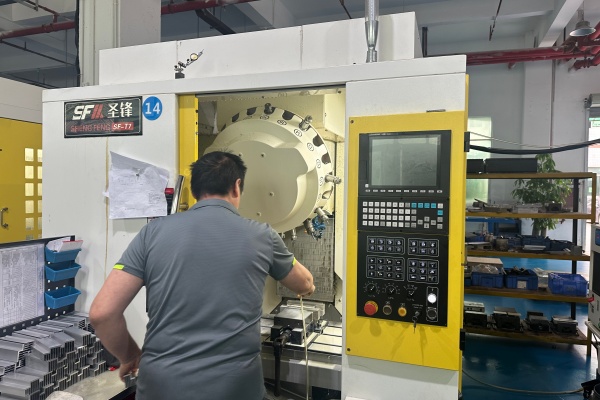
CNC Machining for Medical Device Housings: Precision, Materials & Compliance
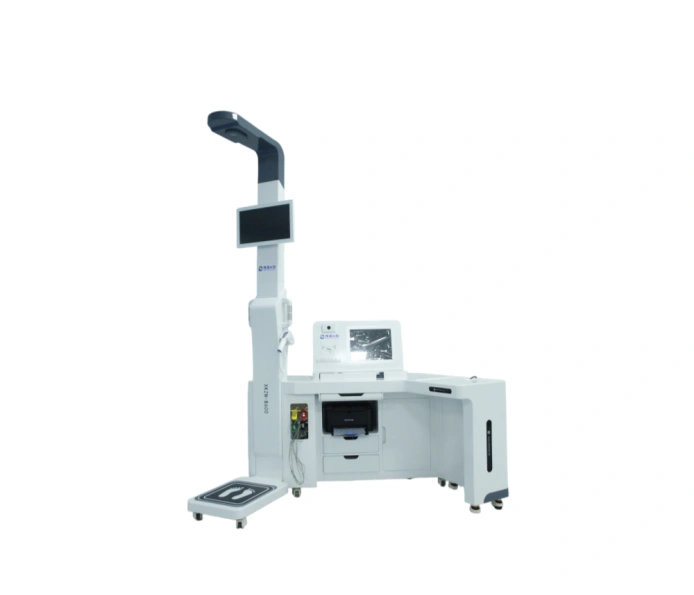
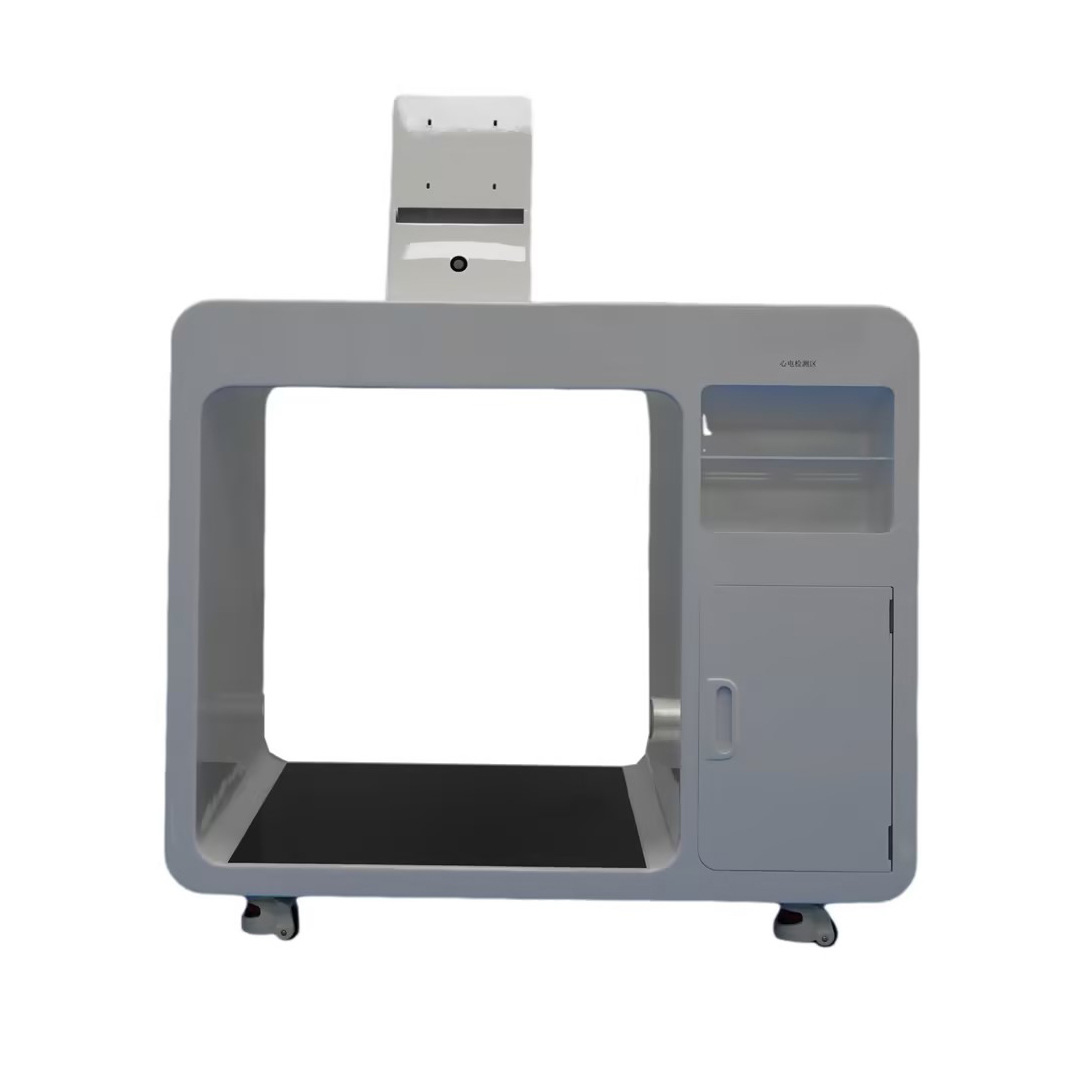
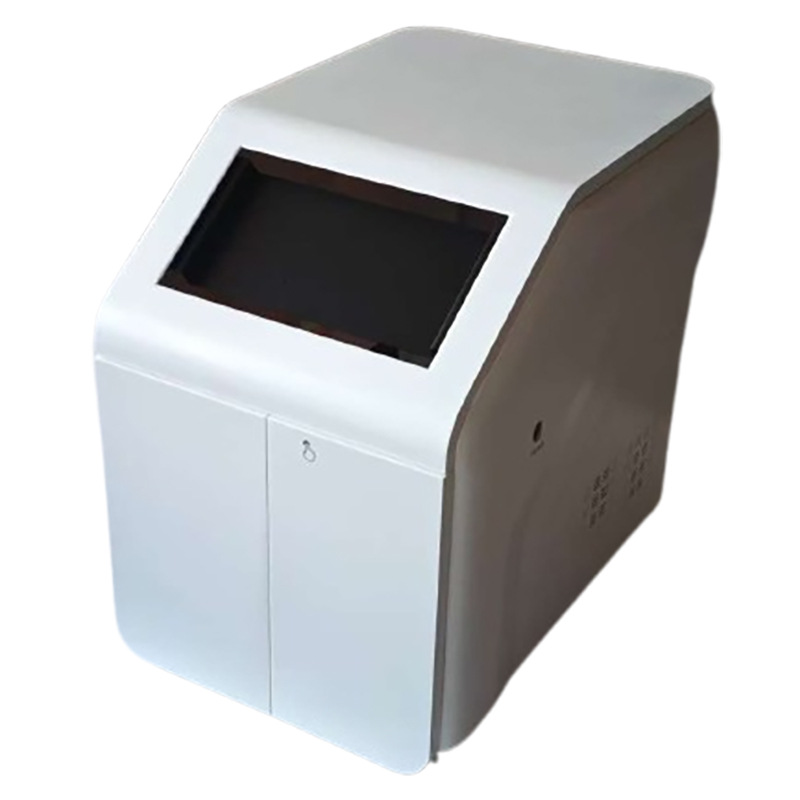
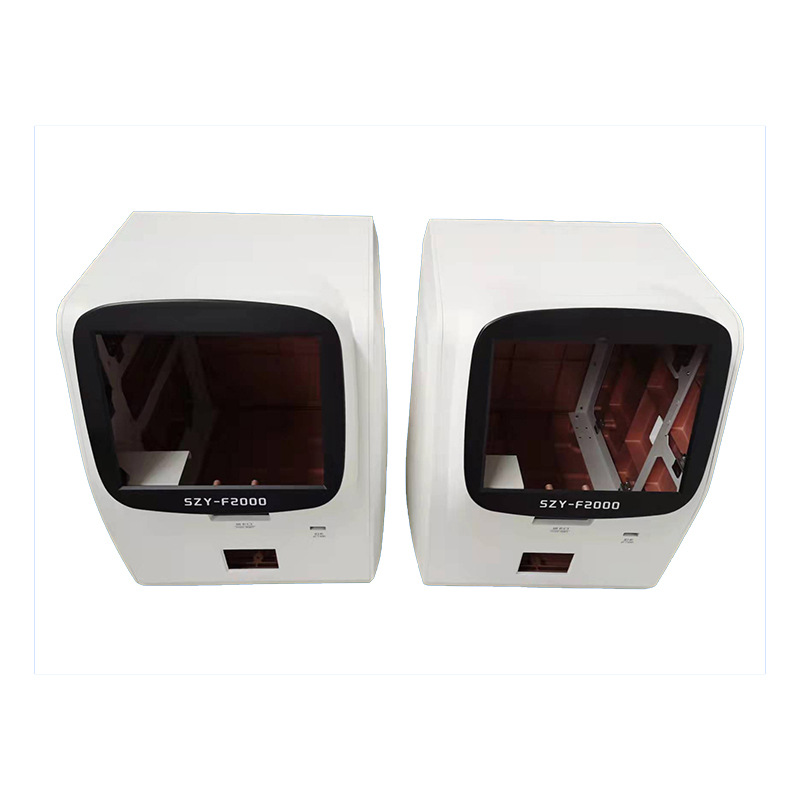
Medical device housings demand strict CNC machining precision, material safety, and regulatory compliance.
Below is a complete guide for designing & manufacturing reliable medical enclosures.
1. Key Requirements for Medical CNC Machining
- Tolerances: Typically ±0.01mm to ±0.05mm for fit & assembly
- Cleanliness: Dust-free production, deburring, passivation
- Materials: Must be biocompatible & non-toxic
- Certifications: ISO 13485, material traceability, inspection reports
2. Best Materials for Medical Housings
- Aluminum 6061/7075Light, strong, easy to anodize; ideal for diagnostic & portable device housings.
- Stainless Steel 316LCorrosion-proof, sterilizable; used for surgical & implant-related components.
- ABS / PEEK (Plastics)Light, chemical-resistant; for non-load-bearing internal parts.
3. Critical CNC Processes for Medical Housings
- 5-axis CNC milling: For complex curved housings
- Deep hole drilling: For ports & cable passages
- Tapping & threading: Precision screw holes
- Surface finishing:
- Anodizing: Hard, protective, medical-grade
- Powder coating: Durable, aesthetic
- Passivation: For stainless steel to improve corrosion resistance
4. Compliance & Quality Control
- ISO 13485 quality system
- Full material certification
- Dimensional inspection (CMM)
- Cleanroom assembly (optional)
5. Why Choose Professional Medical CNC Machining?
- Expertise in medical device regulations
- Tight tolerance capability
- Traceable materials & processes
- Fast prototyping to mass production
We specialize in CNC machining for medical device housings with ISO 13485 compliance.
Send us your CAD files for a free quote and DFM analysis.