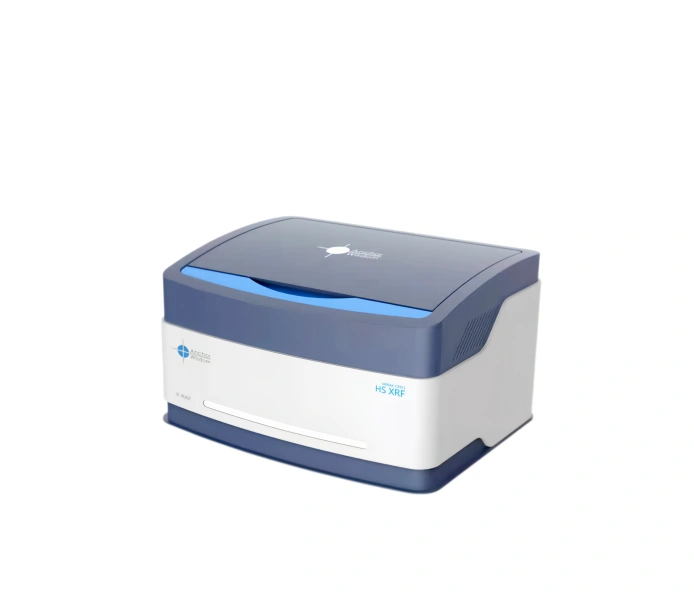
Hero
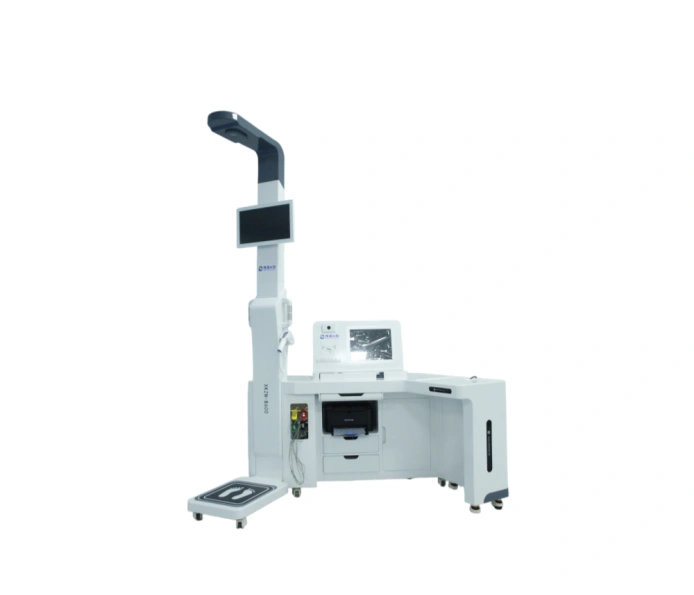
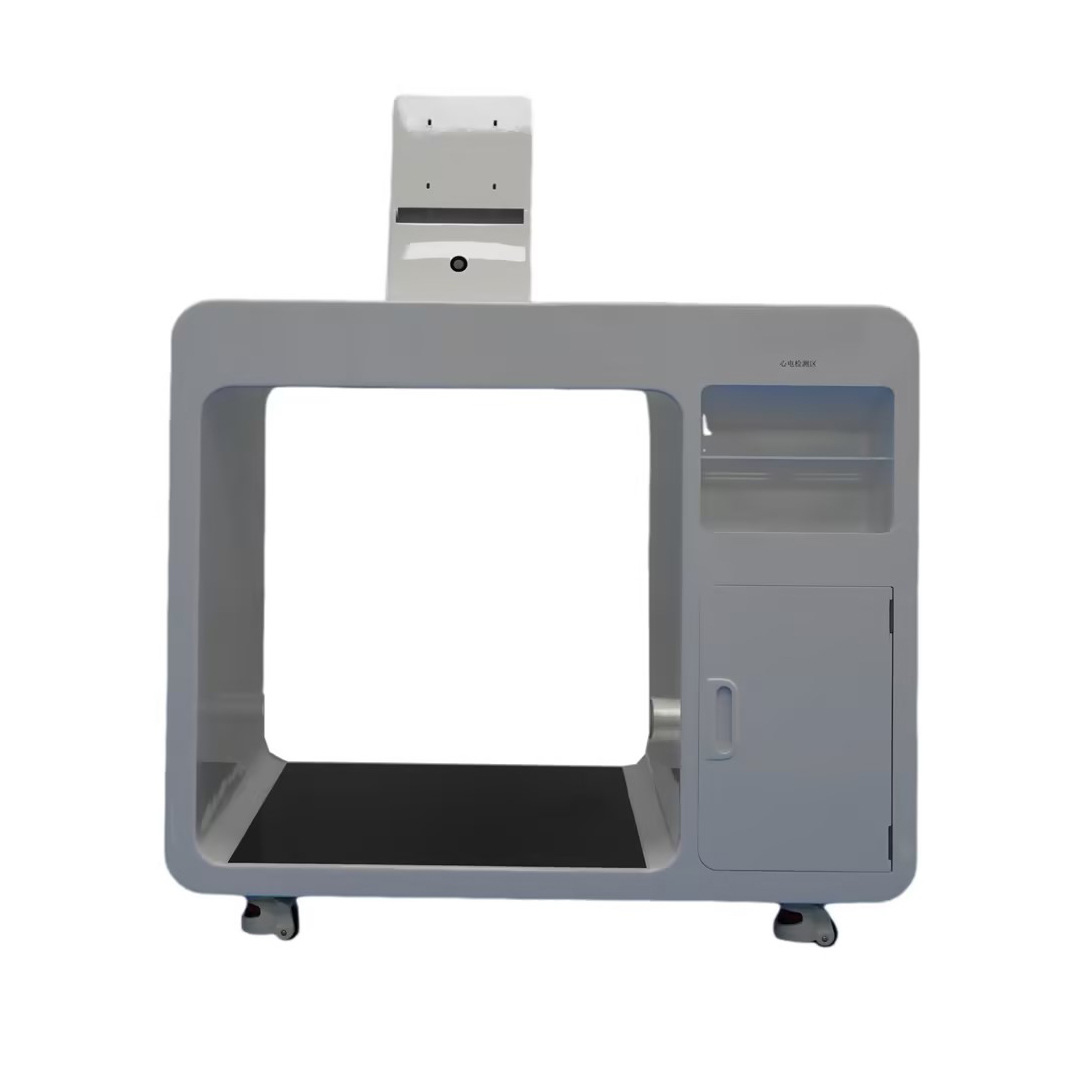
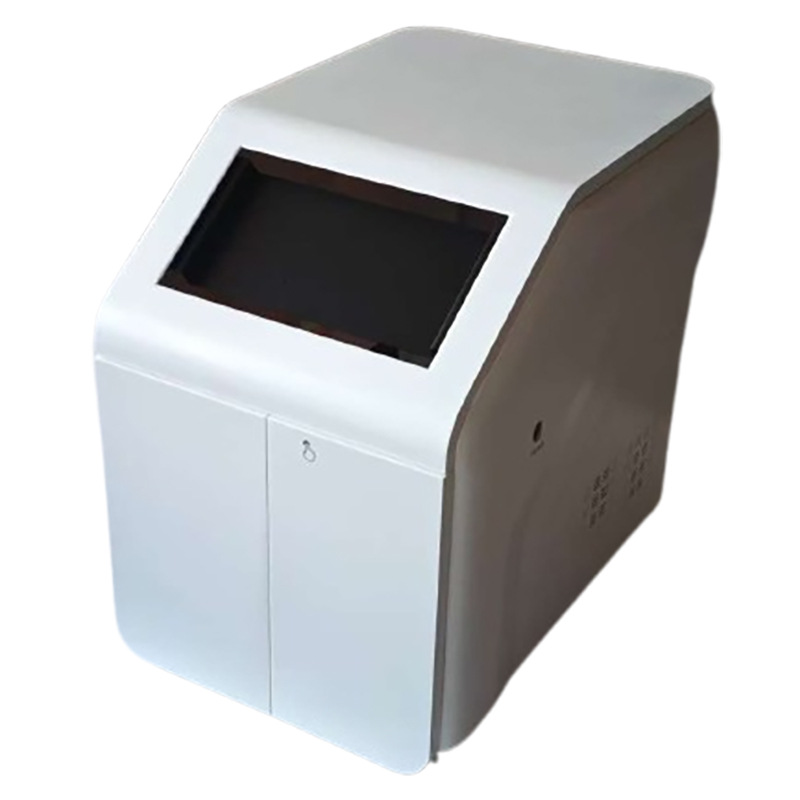
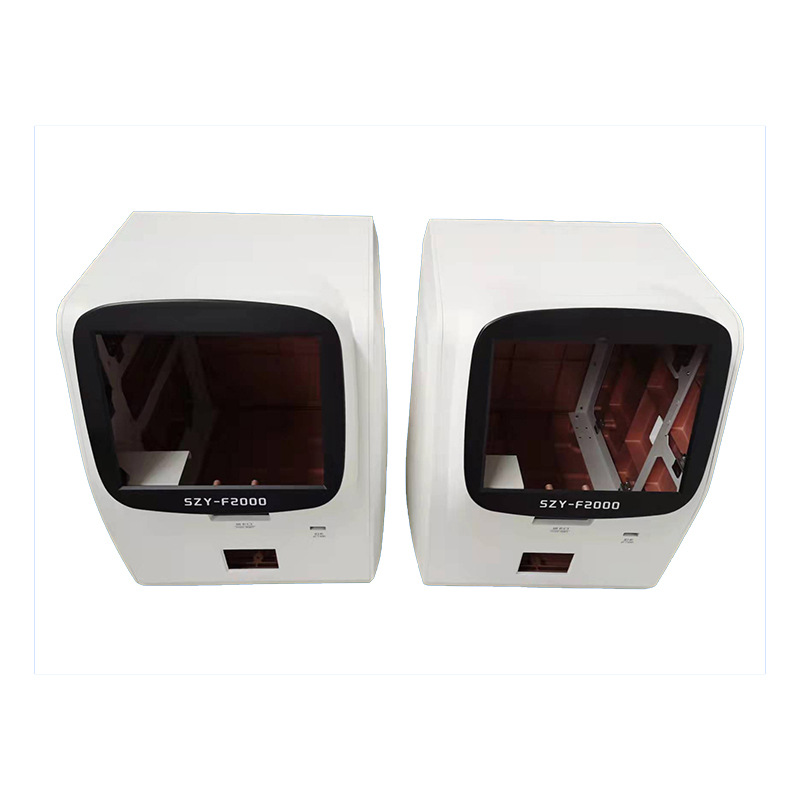
We partnered with a leading global medical device manufacturer to customize a lightweight, impact-resistant enclosure for their portable monitoring device. By optimizing material selection and structural design, we achieved a 22% weight reduction while improving impact resistance by 45%, fully meeting FDA and ISO 10993 standards, and solving the user fatigue and drop failure problems of the original enclosure. This project showcases our strength in balancing lightweight design, performance stability, and regulatory compliance for portable medical devices.
Project Overview
Client: A well-known global medical device manufacturer, focusing on the R&D and production of portable medical monitoring equipment, with products sold in more than 50 countries and regions.
Project Scope: Customization of a lightweight, impact-resistant enclosure for portable medical monitoring devices, including material research and development, structural optimization, surface treatment, and performance testing, covering prototyping to mass production.
Project Cycle: 35 days (7 days for material research and design, 10 days for prototyping and testing, 18 days for mass production).
Core Requirements: Reduce the enclosure weight by 20% or more; improve impact resistance to pass 1.5m drop test; maintain FDA and ISO 10993 biocompatibility; reduce manufacturing costs for high-volume production; ensure portability and user comfort.
Client Challenge
The client’s existing portable monitoring device was widely used in clinical and home scenarios, but its enclosure had obvious defects that affected user experience and market competitiveness:
1. Excessive Weight Causing User Fatigue: The original enclosure used traditional medical-grade ABS material, which was heavy, resulting in the overall weight of the device exceeding 1.2kg. Medical staff and home users often experienced fatigue after long-term use, affecting the popularity of the product.
2. Insufficient Impact Resistance: The original enclosure had poor structural design, and occasional drop failures occurred during clinical use (e.g., falling from the hospital bed to the ground), leading to damage to internal sensitive components and equipment failure, increasing maintenance costs for the client.
3. High Manufacturing Costs: The original material and production process were relatively backward, and the manufacturing cost of the enclosure was high, which could not meet the client’s cost reduction requirements for high-volume production (annual demand of 100,000 sets).
4. Regulatory Compliance Pressure: The client required the new enclosure to maintain FDA and ISO 10993 biocompatibility standards, and the material and process optimization could not affect compliance, which put forward high requirements for material selection and production control.
Our Solution
Aiming at the client’s core needs of lightweight, impact resistance, cost reduction, and compliance, we adopted an innovative “material + structure” dual optimization solution:
1. Lightweight Material Innovation: Developed a custom medical-grade PC/ABS blend material, adding glass fiber reinforcement and lightweight additives, which not only maintained the biocompatibility of ISO 10993 standards but also reduced the material density by 18% compared with traditional ABS. The wall thickness of the enclosure was optimized from 2.5mm to 2.0mm on the premise of ensuring structural strength, further reducing weight.
2. Impact-Resistant Structural Optimization: Used topology optimization technology to redesign the internal rib structure, adopting a honeycomb-like reinforced structure to maximize the strength-to-weight ratio; added shock-absorbing gaskets at the key positions of the enclosure (corner, bottom) to disperse the impact force during drops. Conducted multiple FEA simulation tests to optimize the structure and ensure that the enclosure could pass the 1.5m concrete drop test without damage.
3. Cost Reduction Process Improvement: Adopted advanced injection molding technology with conformal cooling channels to improve production efficiency by 25% and reduce material waste by 10%; optimized the supply chain, and achieved bulk procurement of custom materials to reduce material costs by 12%. The overall manufacturing cost of the enclosure was reduced by 18% compared with the original design.
4. Compliance & User Experience Enhancement: The custom PC/ABS blend material passed FDA and ISO 10993 biocompatibility tests, ensuring no cytotoxicity or adverse reactions. The surface of the enclosure was treated with a matte texture to improve grip and avoid slipping; the overall weight of the device was reduced to 0.95kg, significantly reducing user fatigue during long-term use. Integrated mounting features were added to reduce assembly time and improve production efficiency.
Result
The customized lightweight and impact-resistant enclosure perfectly met the client’s requirements, achieving remarkable results in performance, cost, and user experience:
1. Lightweight Goal Exceeded: The enclosure weight was reduced by 22%, and the overall weight of the device was reduced to 0.95kg, exceeding the client’s 20% weight reduction target, and significantly reducing user fatigue, which was highly recognized by medical staff and home users.
2. Impact Resistance Greatly Improved: The enclosure passed the 1.5m concrete drop test with zero damage, and the impact resistance was improved by 45% compared with the original design. The field failure rate of the device was reduced to zero after launch, greatly reducing the client’s maintenance costs.
3. Cost Reduction Achieved: The overall manufacturing cost of the enclosure was reduced by 18%, saving the client more than $500,000 in annual costs for high-volume production (100,000 sets), enhancing the product’s market competitiveness.
4. Compliance & Quality Guaranteed: The enclosure successfully passed FDA and ISO 10993 certifications, with zero non-conformities in all test items. The production pass rate reached 99.8%, ensuring stable mass production quality.
5. Market Share Increased: With the advantages of lightweight, impact resistance, and cost-effectiveness, the client’s portable monitoring device’s market share increased by 15% within 6 months of launch, and the product was exported to more than 10 new countries and regions.
Process & Technical Details
1. Material Research & Design (Day 1-7): Conducted in-depth research on medical-grade lightweight materials, tested 8 types of PC/ABS blend formulas, and finally determined the optimal formula with glass fiber reinforcement and lightweight additives; tested the material’s biocompatibility, density, and impact resistance to ensure compliance and performance requirements.
2. Structural Design & Simulation (Day 8-14): Used 3D modeling and topology optimization technology to design the enclosure structure, optimized the rib layout and wall thickness, and conducted FEA simulation tests for drop impact and structural strength; adjusted the structure according to the simulation results to ensure the best strength-to-weight ratio.
3. Prototyping & Performance Testing (Day 15-24): Produced 10 sets of prototypes using 3D printing and injection molding; conducted weight measurement, drop test (1.5m concrete), biocompatibility test, and surface finish test; optimized the material formula and structural design according to the test results.
4. Trial Production & Process Optimization (Day 25-30): Carried out small-batch trial production (500 sets) using precision injection molding equipment with conformal cooling channels; optimized the injection molding parameters (temperature, pressure, speed) to improve production efficiency and product quality; inspected each product’s dimensional accuracy and performance indicators.
5. Mass Production & Delivery (Day 31-35): Conducted full-process quality control in mass production, including raw material inspection, in-process testing, and final inspection; completed the production of 10,000 sets of enclosures and delivered them on time; provided technical support for the client’s device assembly and commissioning.
Key Technical Parameters:
- Material: Custom medical-grade PC/ABS blend (with glass fiber reinforcement)
- Weight Reduction: 22% compared with the original enclosure
- Impact Resistance: 45% improvement, passing 1.5m concrete drop test (IK08, 5J impact)
- Biocompatibility: FDA compliant, ISO 10993-5, -10 compliant
- Wall Thickness: 2.0mm
- Surface Finish: SPI-A2 (16-24 μin), matte texture
- IP Protection Level: IP54 (dust/splash protected)
CTA
Need a lightweight, impact-resistant, and compliant enclosure for your portable medical device? Whether you want to reduce device weight, improve impact resistance, or lower manufacturing costs, we can provide a customized solution that meets your needs!
👉 Free Custom Quotation & Prototyping
Click the button below to fill in your device type, weight requirements, and production volume, and our technical team will reply to you within 24 hours with a free design plan and quotation. We provide free prototyping services for portable medical device enclosures, helping you test performance and avoid risks before mass production!
📞 WhatsApp/Email 24/7 Online | FDA/ISO Certified | Lightweight & Impact-Resistant | Cost-Effective
Button: Custom Lightweight Medical Enclosure