Aluminum vs Stainless Steel: How to Choose the Right Material for CNC Machining
Choosing between aluminum and stainless steel is one of the most common decisions in CNC machining.
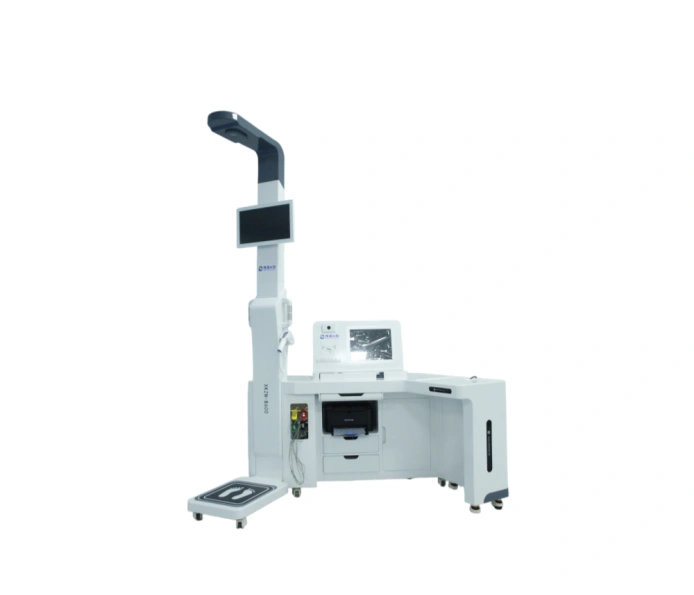
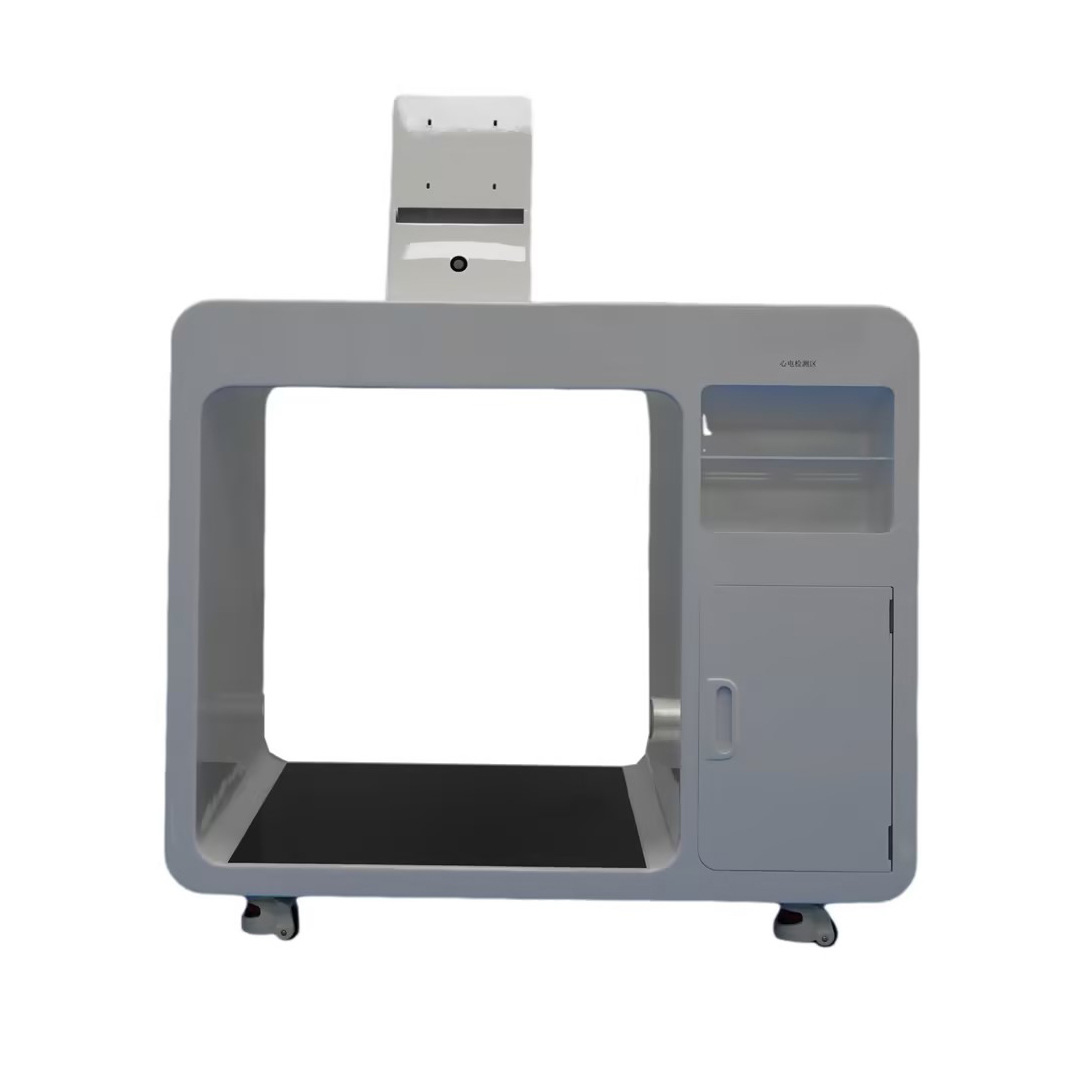
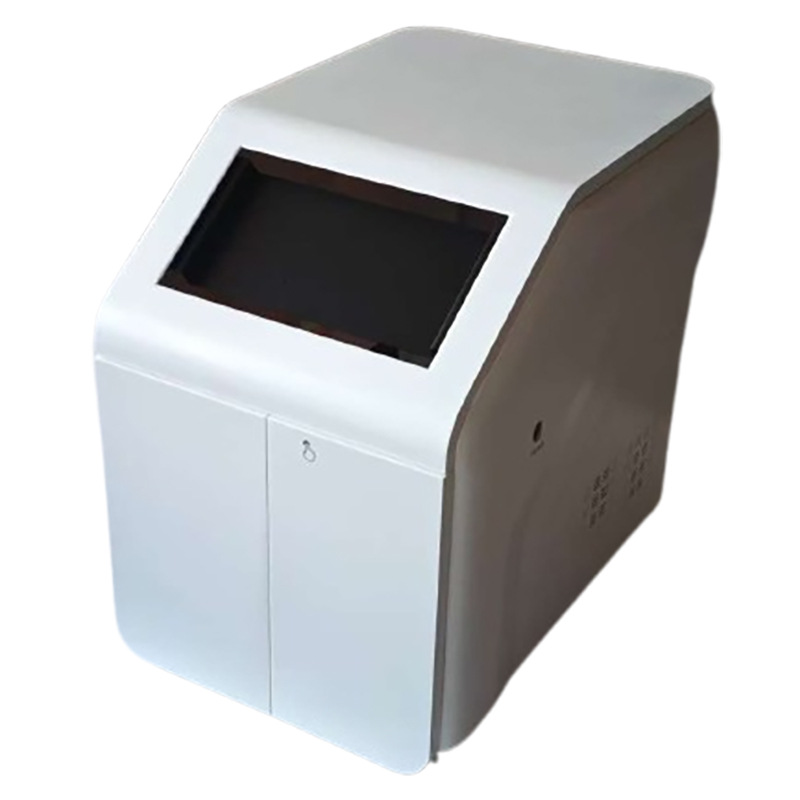
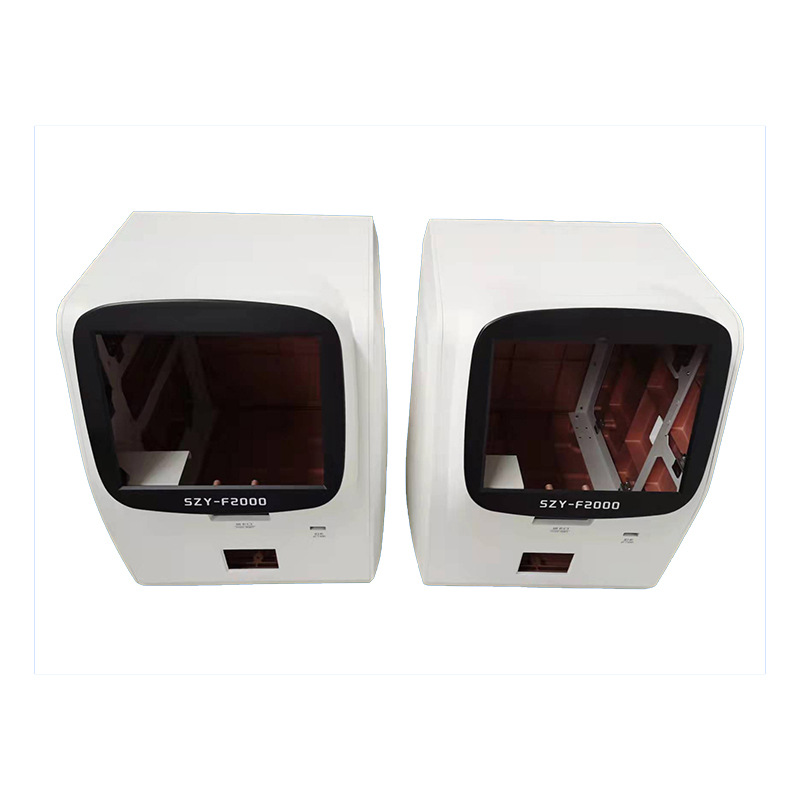
Each material offers unique strengths for precision parts in medical devices, automation, robotics, and equipment housings.
1. Aluminum CNC Machining: Lightweight & Cost-Effective
- Weight: ~1/3 the density of steel → ideal for lightweight assemblies
- Machinability: Cuts fast, low tool wear → lower cost & shorter lead times
- Corrosion: Natural oxide layer; can be improved with anodizing
- Strength: Good for non-load-bearing parts, housings, brackets
- Surface finish: Takes sandblasting, polishing, powder coating well
Best for: medical device enclosures, robotic arms, lightweight structural parts.
2. Stainless Steel CNC Machining: Strength & Durability
- Strength: High tensile & yield strength → for load-bearing components
- Corrosion: Excellent resistance (304/316) → ideal for medical, food, marine
- Heat resistance: Performs well in high-temperature environments
- Weight & cost: Heavier & more expensive than aluminum
- Machinability: Harder on tools → slower speeds, higher cost
Best for: surgical instrument parts, high-strength brackets, fluid system components.
3. Quick Comparison Table
表格
| Property | Aluminum | Stainless Steel |
|---|---|---|
| Weight | Light | Heavy |
| Cost | Lower | Higher |
| Machining Speed | Fast | Slower |
| Corrosion Resistance | Good (with treatment) | Excellent |
| Strength | Medium | High |
| Medical Use | Housings, covers | Critical components, instruments |
4. Final Recommendation
- Choose aluminum CNC machining for: lightweight, cost-sensitive, non-critical structural parts.
- Choose stainless steel CNC machining for: high strength, corrosion resistance, medical-grade critical components.
If you need help selecting materials for your CNC project, contact our engineering team for a free DFM review.