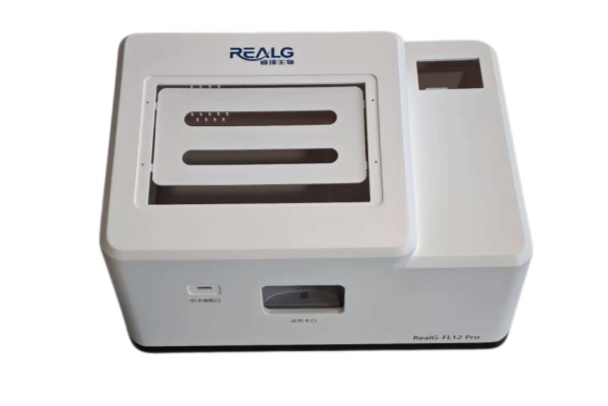
ISO 13485 Certified Medical Device Housings for Diagnostic, Surgical, and Laboratory Equipment — Protecting Critical Components, Ensuring Patient Safety
Project Overview
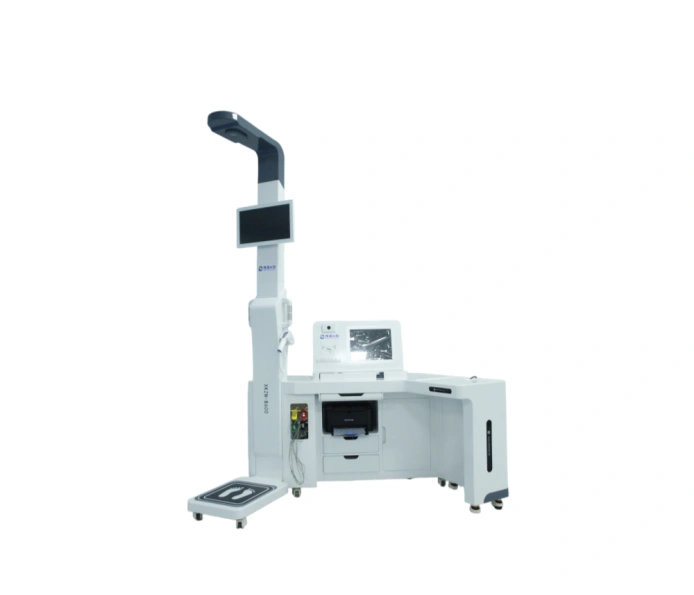
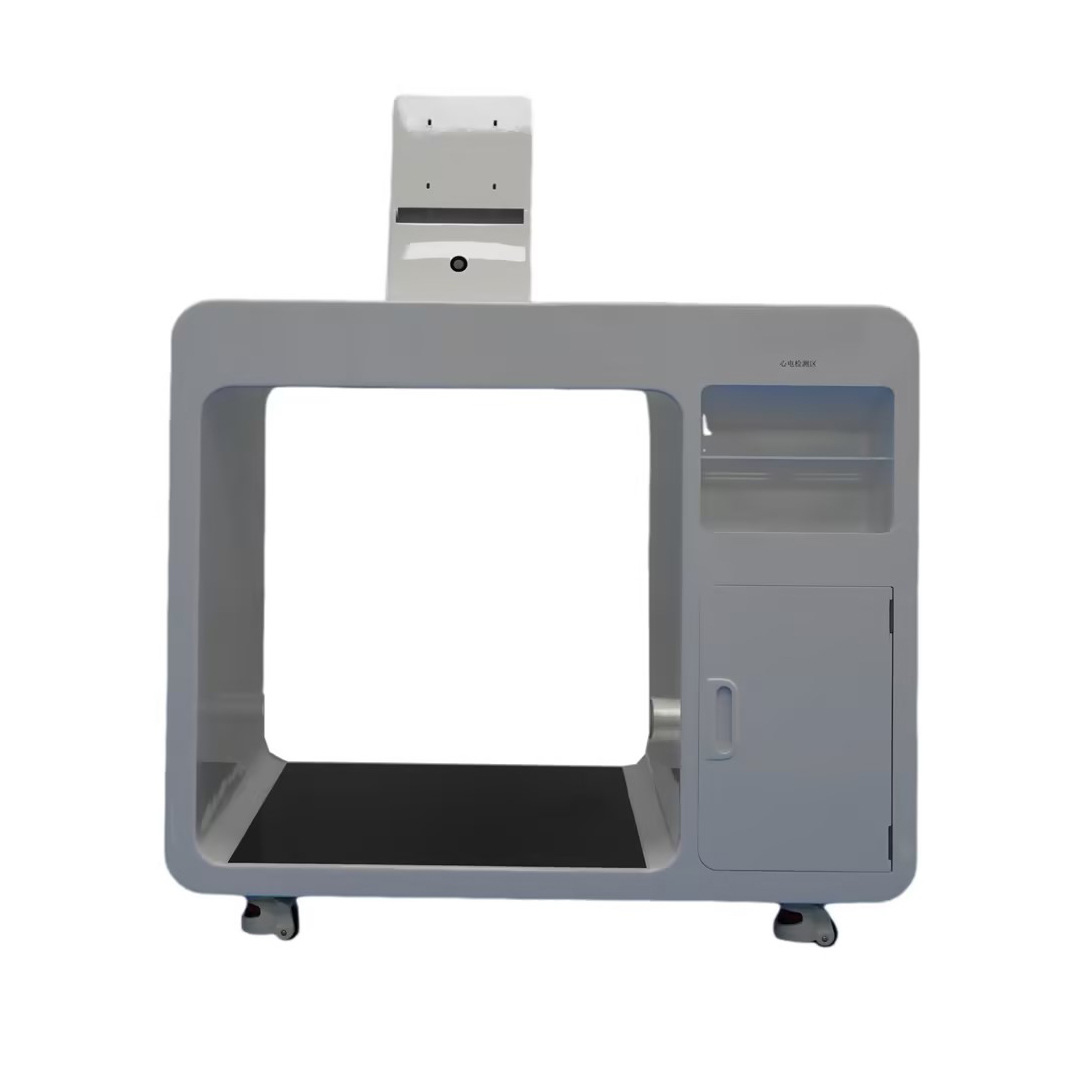
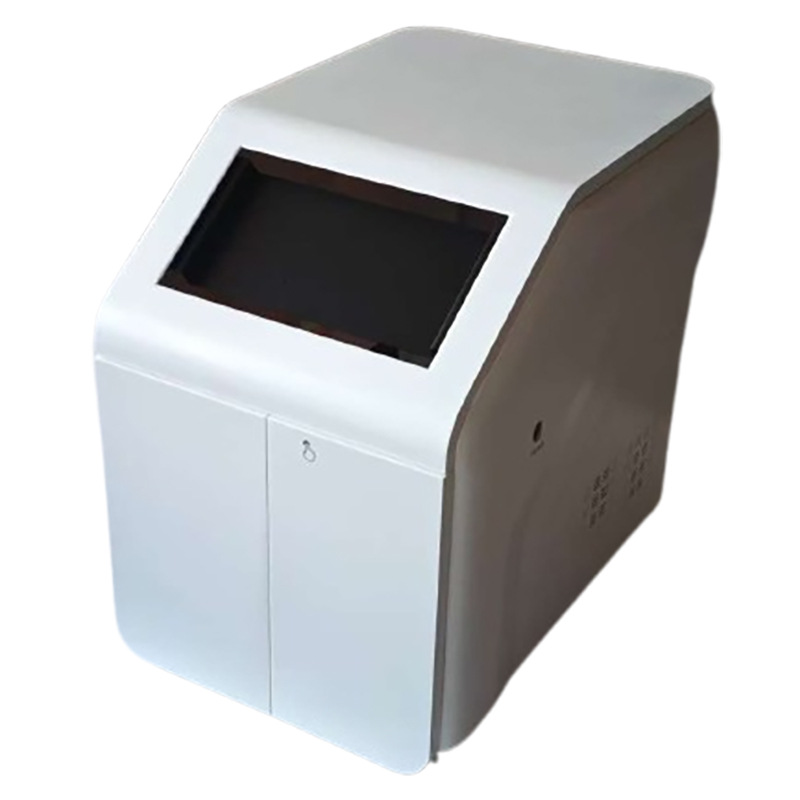
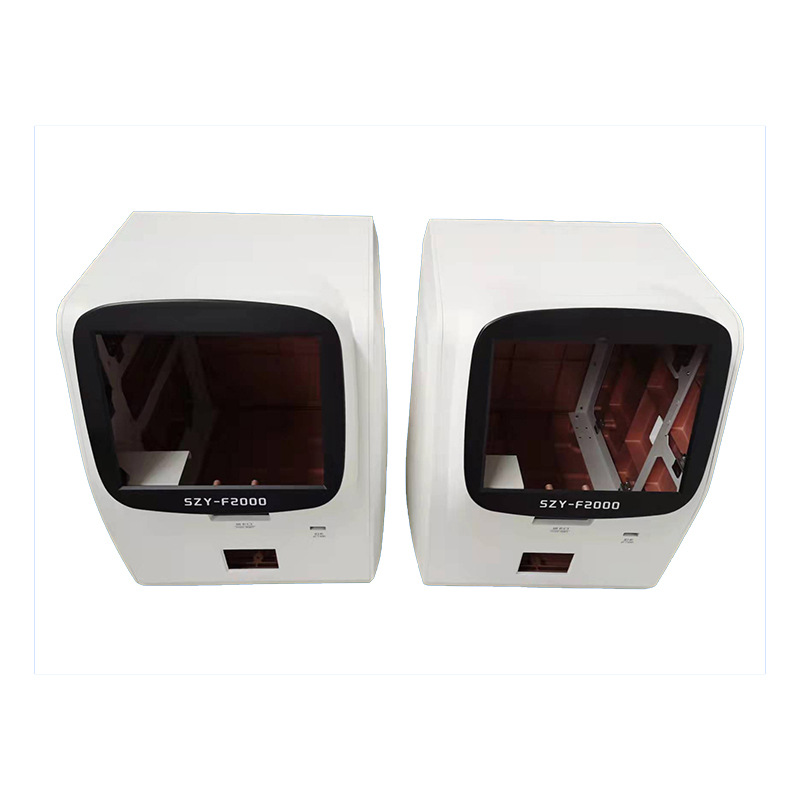
Medical device enclosures serve as the critical first line of defense for sensitive internal components, from diagnostic monitors and surgical robots to pathology analyzers and handheld medical devices. Unlike standard industrial enclosures, medical device housings must meet rigorous regulatory demands, including biocompatibility, sterilization resistance, dimensional precision, and contamination control — all while supporting the device’s functionality and ergonomic design.
Our project focuses on delivering custom CNC machined medical device enclosures tailored to the unique needs of medical device OEMs. We cover the full spectrum of medical equipment, including handheld devices (glucose meters, pulse oximeters), benchtop diagnostic equipment, surgical systems, and lab instruments, providing one-stop solutions from design optimization to mass production. Every enclosure is engineered to balance protection, compliance, and usability, ensuring it integrates seamlessly with your medical device and meets global regulatory standards (ISO 13485, FDA 21 CFR 820, ISO 10993).
3. Client Challenge
Our client — a leading medical device manufacturer specializing in diagnostic and surgical equipment — faced critical challenges in sourcing high-quality enclosures that met their strict performance and regulatory requirements, common to many medical OEMs:
- Regulatory Compliance Gaps: Their existing enclosures failed to meet ISO 13485 quality management standards and ISO 10993 biocompatibility requirements, risking regulatory rejection and market access delays. Many suppliers struggled to provide complete material traceability and compliance documentation.
- Precision & Fit Issues: The enclosures required ultra-tight tolerances (±0.01mm) to fit sensitive electronics and ensure seamless assembly, but their previous supplier could not maintain consistent dimensional accuracy — leading to assembly delays and component damage.
- Material & Sterilization Limitations: The enclosures needed to withstand repeated sterilization (autoclaving, chemical wipe-down, gamma irradiation) without degradation, while remaining biocompatible and corrosion-resistant — standard materials failed to meet these demands over long-term use.
- Design & Iteration Inefficiencies: The client needed rapid prototyping for design validation (EVT/DVT/PVT) and flexible production (from small batches to mass production), but their previous partner had long lead times and limited design support for manufacturability (DFM).
- Contamination Risks: Enclosures for lab and surgical equipment required cleanroom manufacturing to avoid particle contamination, which their existing supplier could not provide — risking device failure and patient safety.
4. Our Solution
To address the client’s challenges, we developed a tailored solution centered on precision CNC machining, medical-grade materials, and regulatory compliance — leveraging our expertise in medical device component manufacturing and cleanroom processing:
- ISO 13485 Certified Quality System: We implemented a strict quality management system compliant with ISO 13485:2016, ensuring every step of the manufacturing process — from material sourcing to final inspection — meets global medical regulatory standards. We provide complete documentation, including material test reports (MTR), CMM inspection reports, and compliance certificates to support the client’s regulatory submissions.
- Biocompatible & Sterilizable Material Selection: We recommended and sourced medical-grade materials tailored to the client’s device type, including 316L stainless steel, medical-grade aluminum (6061/7075), PEEK, and PC/ABS blends — all compliant with ISO 10993 biocompatibility standards. These materials resist corrosion, withstand repeated sterilization, and maintain structural integrity in clinical environments.
- Ultra-Precision CNC Machining: Using 3/4/5-axis CNC milling and turning equipment, we achieved consistent tolerances of ±0.005–±0.01mm, ensuring perfect fit with the client’s internal components. Our advanced machining techniques allowed for complex geometries, precise cutouts for interfaces, and integrated mounting features to streamline assembly.
- Rapid Prototyping & DFM Support: We provided free design for manufacturability (DFM) analysis to optimize the enclosure design, reducing material waste and production costs. Our rapid prototyping service delivered functional prototypes in 3–7 days, supporting the client’s EVT/DVT/PVT testing and design iteration needs without delaying their timeline.
- Cleanroom Manufacturing & Surface Treatment: We manufactured enclosures in a controlled cleanroom environment to eliminate contamination risks. For surface finishing, we applied medical-grade anodizing, passivation, and antimicrobial coatings — ensuring smooth, cleanable surfaces that reduce bacterial adhesion and meet hygiene requirements.
- One-Stop Manufacturing Solution: We handled the entire process from design optimization and material sourcing to machining, finishing, and quality inspection — eliminating supply chain gaps and reducing the client’s vendor management burden.
5. Result
By implementing our tailored solution, we delivered measurable results that exceeded the client’s expectations, resolving their core challenges and supporting their market success:
- Regulatory Compliance Achievement: All enclosures passed ISO 13485, FDA 21 CFR 820, and ISO 10993 certifications, enabling the client to launch their medical devices in global markets without regulatory delays. Complete documentation and material traceability reduced their compliance burden and audit risks.
- Precision & Fit Improvement: We achieved 100% dimensional accuracy (±0.01mm tolerance), eliminating assembly delays and component damage. The client reported a 98% reduction in fit-related issues, significantly improving their production efficiency.
- Enhanced Durability & Sterilization Resistance: The enclosures withstood 500+ sterilization cycles (autoclaving, gamma irradiation) without degradation, corrosion, or surface damage — exceeding the client’s requirement of 300 cycles. Biocompatibility testing confirmed no adverse reactions, ensuring patient safety.
- Faster Time-to-Market: Rapid prototyping reduced the client’s design validation timeline by 40%, and flexible production (from 1-piece prototypes to mass production) allowed them to launch their devices 3 months ahead of schedule. Lead times for small batches were reduced to 7–10 days, supporting their urgent production needs.
- Cost Savings & Efficiency: DFM optimization reduced material waste by 18%, and our one-stop solution eliminated the need for multiple vendors — cutting the client’s overall enclosure costs by 22%. Cleanroom manufacturing eliminated contamination-related reworks, further reducing costs and delays.
- Long-Term Partnership: The client has established a long-term partnership with us, relying on our expertise for all their medical device enclosure needs — from new product development to ongoing mass production. We now support their full product line, including handheld devices and surgical equipment enclosures.
6. Process & Technical Details
Our medical device enclosure manufacturing process combines advanced CNC technology, strict quality control, and medical industry expertise — ensuring every enclosure meets the highest standards of precision, compliance, and durability. Below are the key technical details and process steps:
(1)Design & DFM Optimization
- We collaborate with the client’s engineering team to review 3D CAD files (STEP, IGES, DWG) and provide free DFM analysis, optimizing the enclosure design for CNC machining, assembly, and sterilization. Key optimizations include rib structure design for strength-to-weight ratio, precise cutout placement for interfaces, and integrated mounting features to streamline production.
- Design validation includes FEA simulations to test structural integrity, thermal performance, and impact resistance — ensuring the enclosure can withstand clinical use and repeated sterilization.
(2)Material Sourcing & Inspection
- All materials are sourced from ISO-certified suppliers, with complete material traceability (MTR reports). We conduct incoming material inspections to verify chemical composition, mechanical properties, and biocompatibility — ensuring compliance with ISO 10993 standards.
- Common materials used: 316L stainless steel (corrosion-resistant, sterilizable), 6061/7075 aluminum (lightweight, EMI shielding), PEEK (biocompatible, high-temperature resistance), and PC/ABS blends (impact-resistant, cost-effective).
(3)CNC Machining Process
- Equipment: 3/4/5-axis CNC milling machines, CNC turning centers, and high-precision routers — capable of machining complex geometries, tight tolerances (±0.005–±0.01mm), and smooth surface finishes (Ra ≤ 0.4μm).
- Process: We use high-speed machining techniques to reduce material waste and improve efficiency, with in-process inspections to ensure dimensional accuracy. For complex enclosures, we use 5-axis machining to access hard-to-reach areas and maintain consistent precision across all surfaces.
(4)Cleanroom Manufacturing & Surface Treatment
- Enclosures are machined and finished in a Class 8 cleanroom environment to eliminate particle contamination, critical for surgical and lab equipment. All tools and workstations are regularly sanitized to maintain cleanliness standards.
- Surface treatments: Medical-grade anodizing (aluminum), passivation (stainless steel), electropolishing (for sterile surfaces), and antimicrobial coatings — all compliant with medical hygiene standards and sterilization requirements. These treatments improve corrosion resistance, reduce bacterial adhesion, and enhance aesthetics.
(5)Quality Control & Inspection
- Every enclosure undergoes rigorous quality inspection, including CMM (Coordinate Measuring Machine) measurement for dimensional accuracy, visual inspection for surface defects, and leak testing (IP54+ rating) to ensure dust and splash protection. We also conduct biocompatibility and sterilization testing for critical applications.
- All inspection data is documented and provided to the client, along with MTR reports and compliance certificates — supporting their regulatory submissions and quality audits.
7. CTA
Ready to Get Your Custom Medical Device Enclosures?
Whether you need prototypes for design validation, small-batch production for clinical trials, or mass production for market launch, we deliver ISO 13485 certified, precision CNC machined medical device enclosures that meet your regulatory and performance needs. Send us your 3D CAD files for a free DFM analysis, free quote, and material recommendation — we reply within 12 hours.